Albiate: why a reforestation project is needed
Written by Giuseppe Caprotti
In-Depth Analysis Published on 18/05/2024
Climate change in Albiate has progressively manifested itself in recent years through the following extremes:
– Tornadoes
– Storms with flooding
– Hailstorms
– Intense heat and drought
– Crop losses
– Reduction in fruit size
– New plant diseases
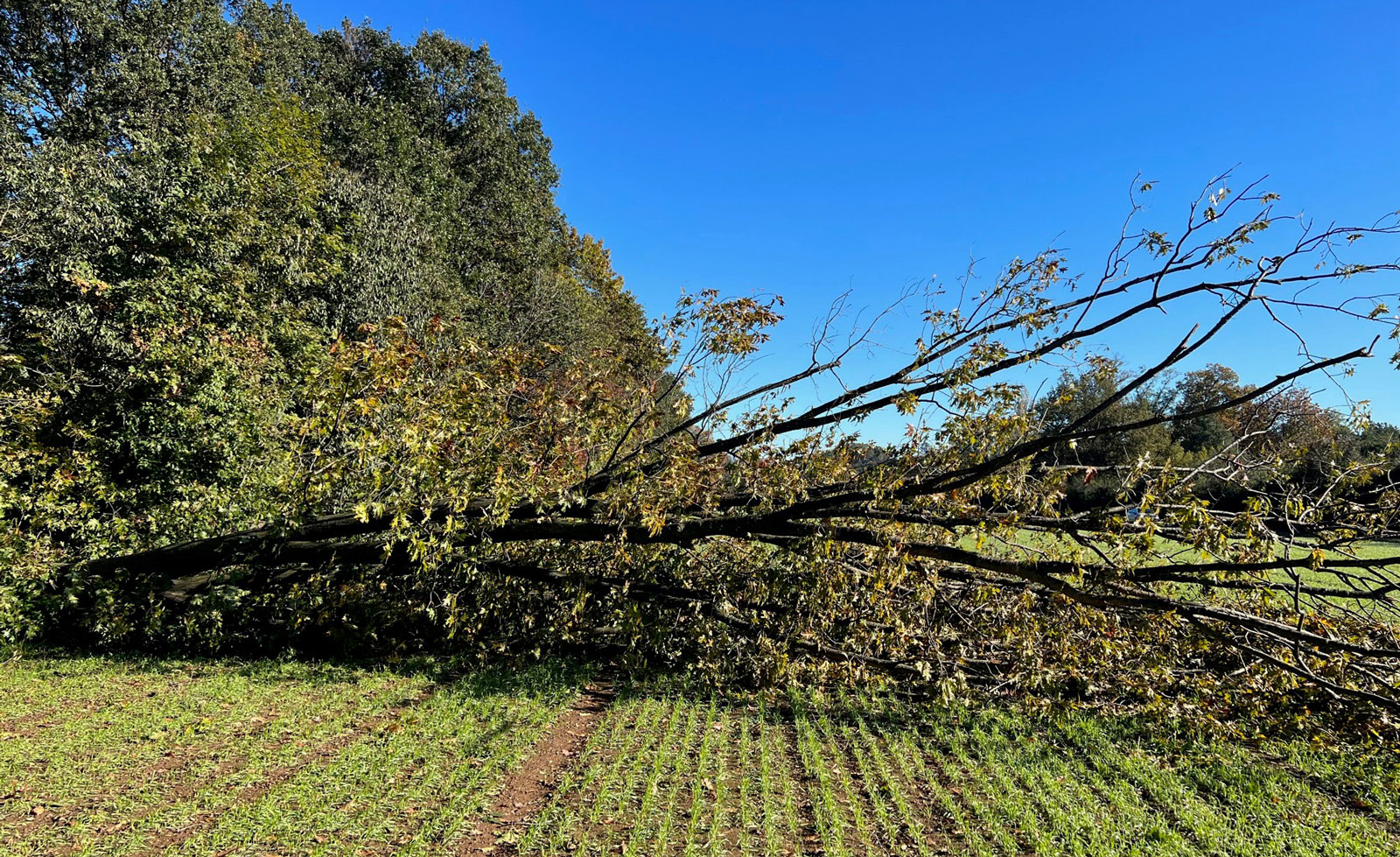
– Tree falls: in the past year alone, approximately 15% of the trees have been lost
As the agronomist writes, on the land next to my house (about 25 hectares of a public park), 123 trees have died from February 2023 until now—a silent but real massacre.
I will not delve into the past or the reasons behind this disaster, nor into what should be done regarding water management.
I will simply say that we need new species of plants—ones that are more resistant to heat and drought, and that will undoubtedly make their presence felt again from June onward.
They must also be species with deeper roots than the current poplars to withstand the wind of frequent storms.
Deforestation favors pollution and disease.
The videos and photos below speak louder than any text.
For these reasons, I will present a reforestation project for the approximately 25 hectares currently occupied by woodlands.
Furthermore, I intend, gradually and in collaboration with the Guido Venosta Foundation, to replace the lawns of agricultural lands with trees and shrubs.
This is therefore both a reforestation and afforestation initiative, in an increasingly challenging context given that at least one-third of European tree species are not suited to global warming.
…Europe’s forests are being severely affected by wildfires, drought, and diseases, largely linked to global warming, and the number of European species available to help forests adapt to these upheavals already appears to be particularly limited…
We will soon officially request permission to replace the poplars with new species. We must act quickly because the situation is worsening.
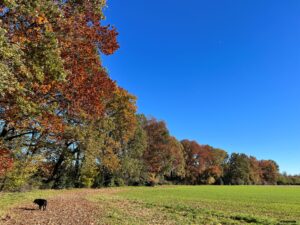
Below: a patch of intact woodland in Albiate. This is how we want to preserve and enrich it.