
Objectives and activities carried out, in summary
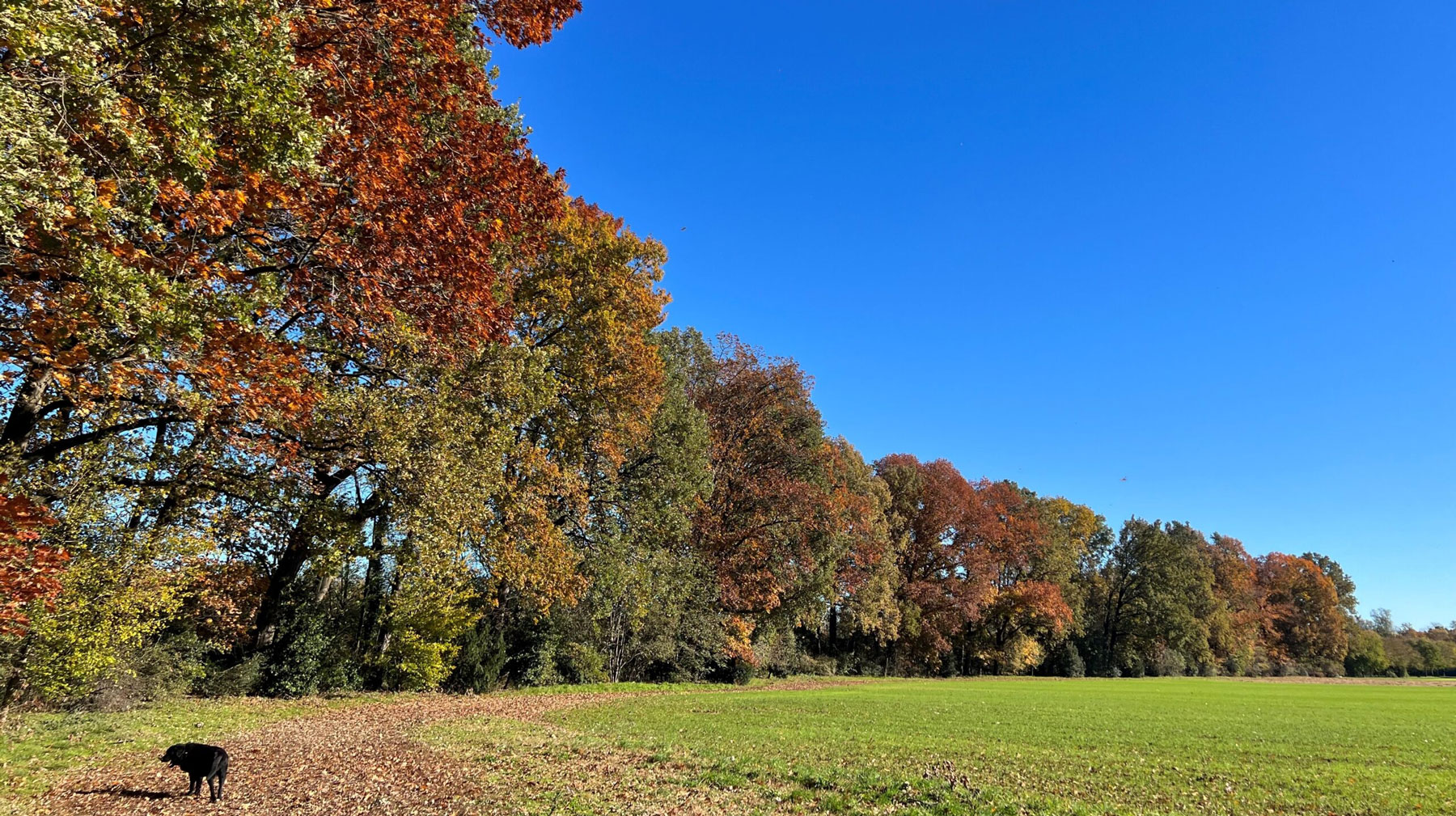
Photo above: A healthy section of the Albiate woodlands
In Albiate, climate change has in recent years progressively manifested itself through the following extremes:
- Tornadoes
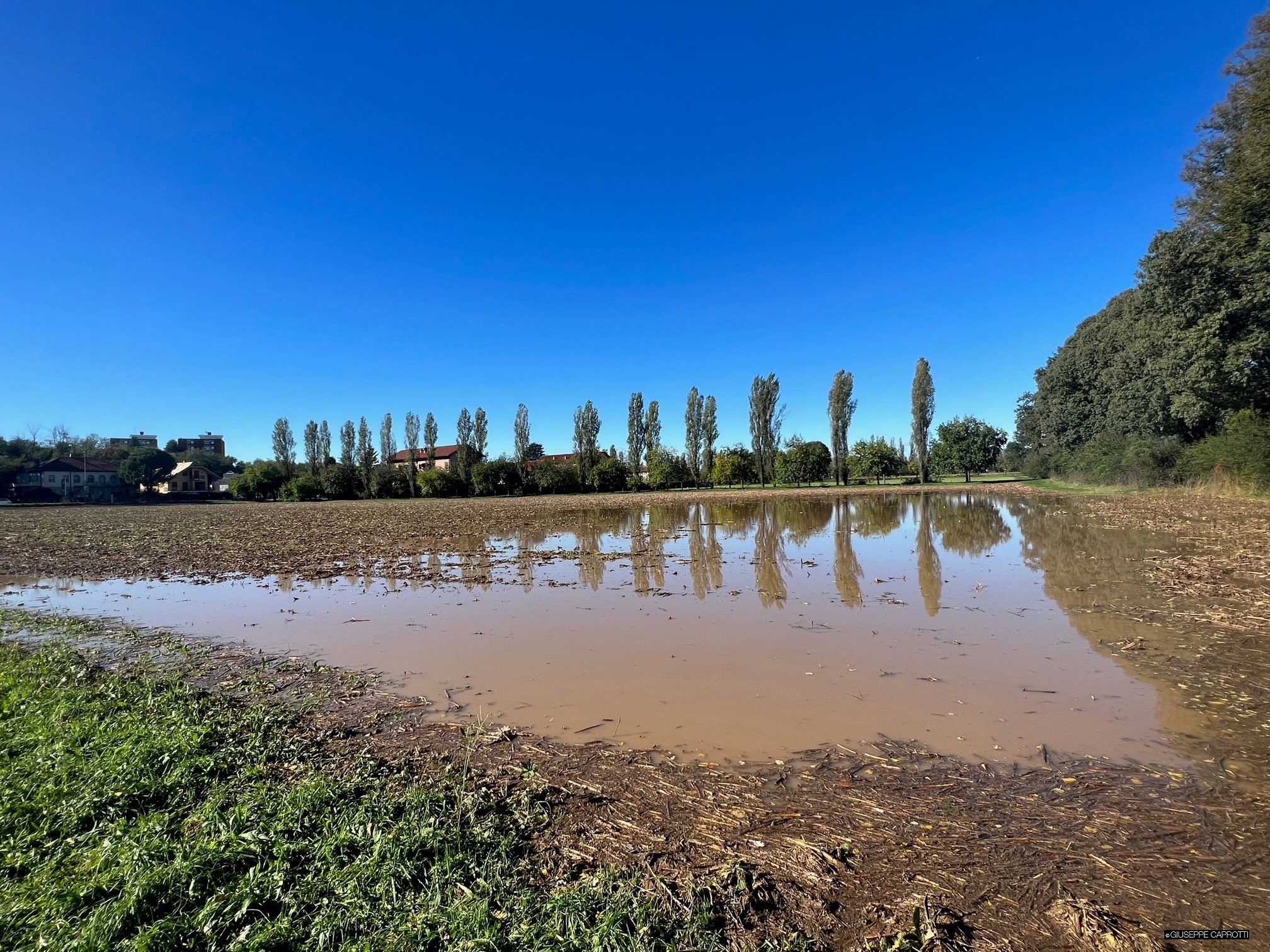
- Storms with flooding
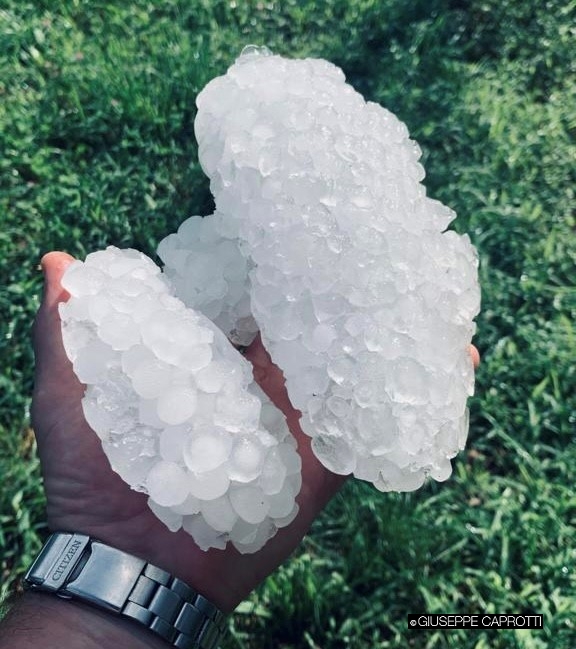
- Hailstorms
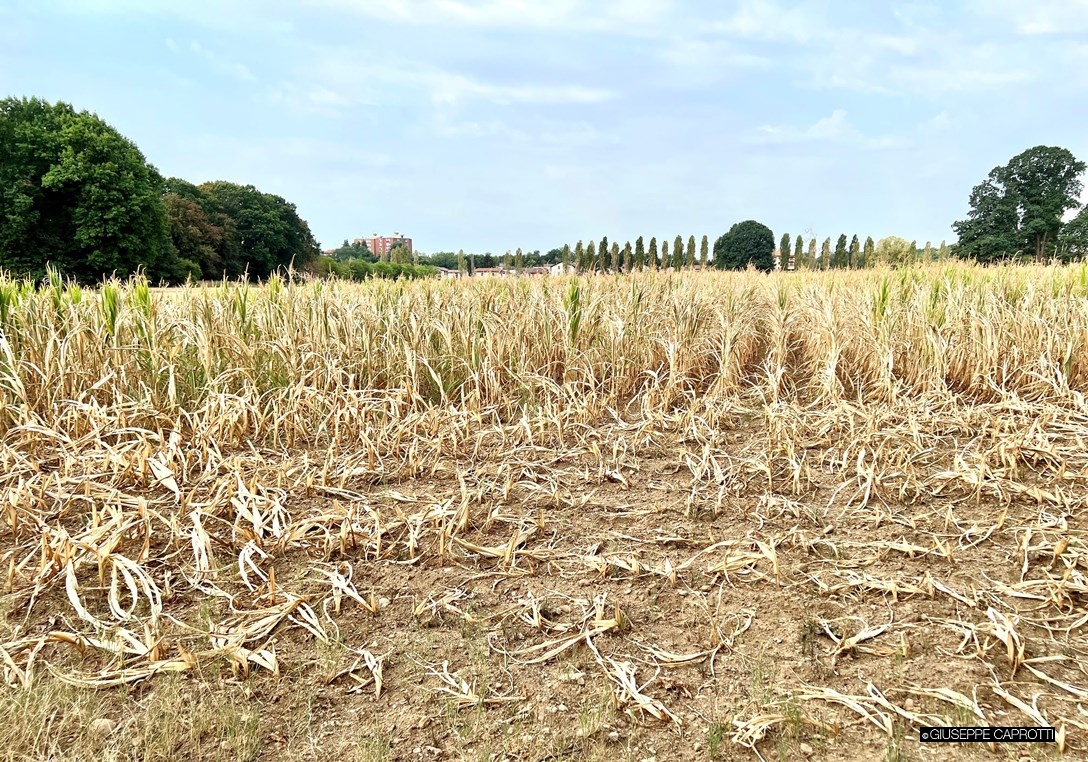
- Heat waves and droughts
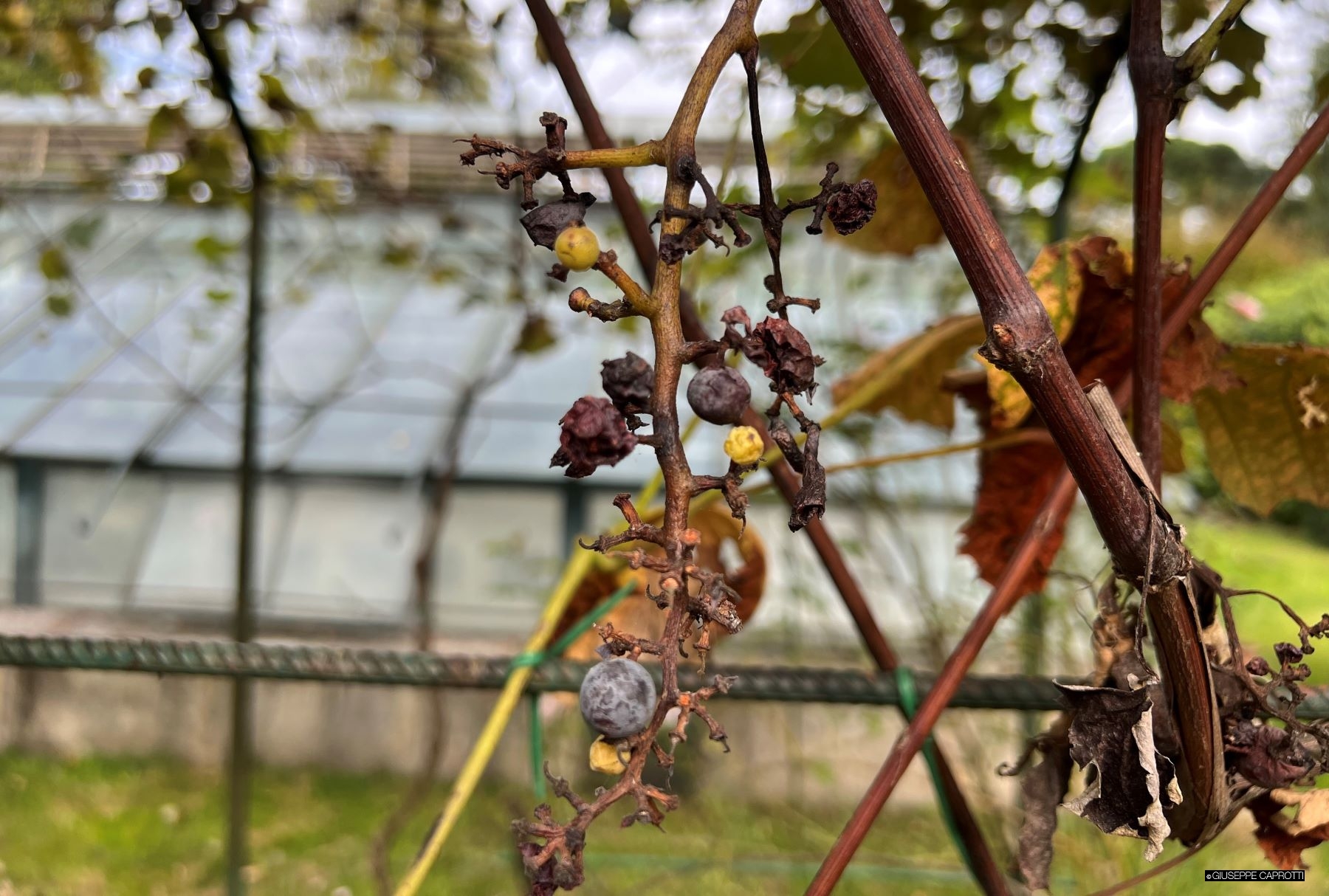
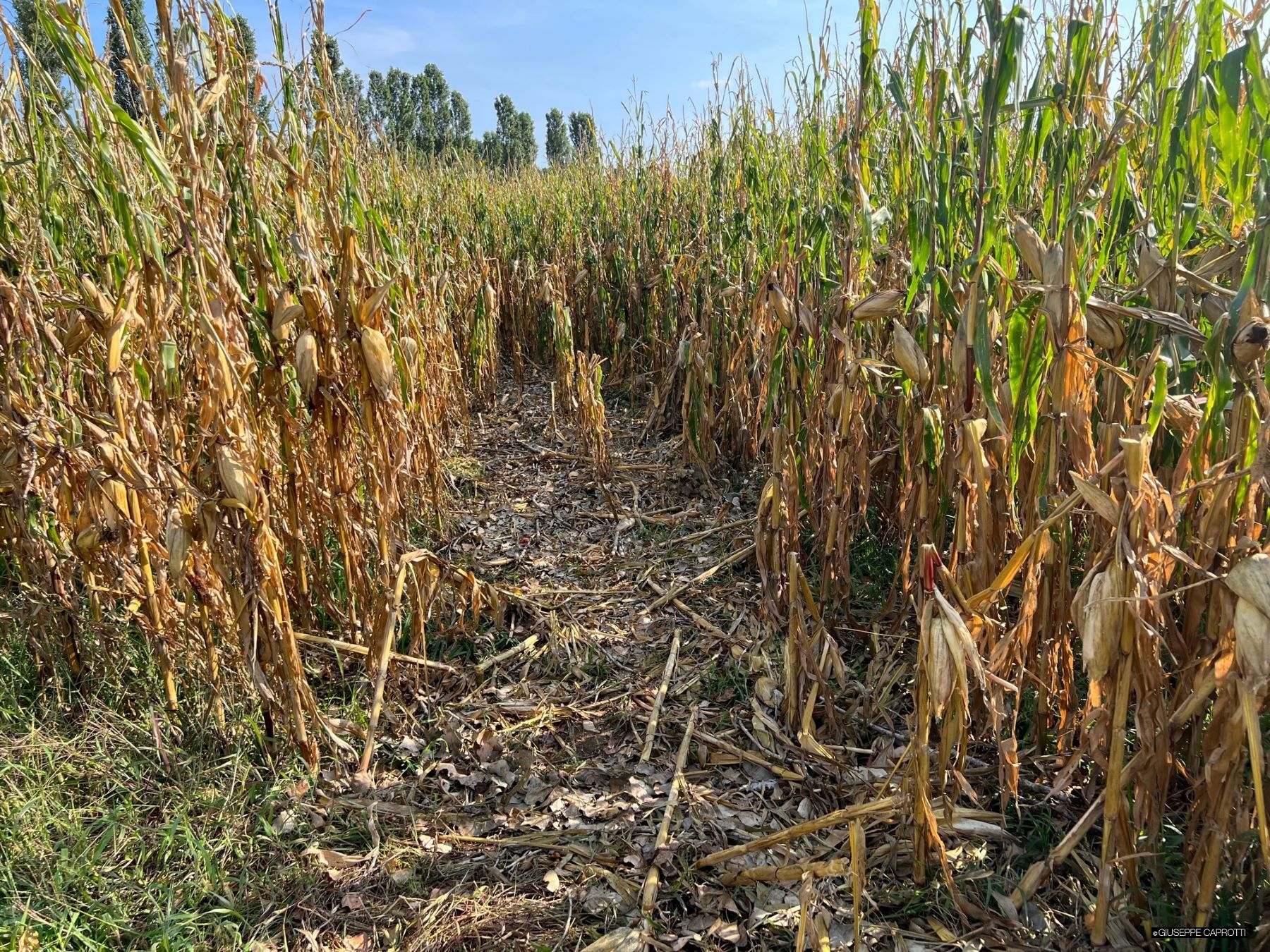
- Crop losses
- Reduction in fruit sizes
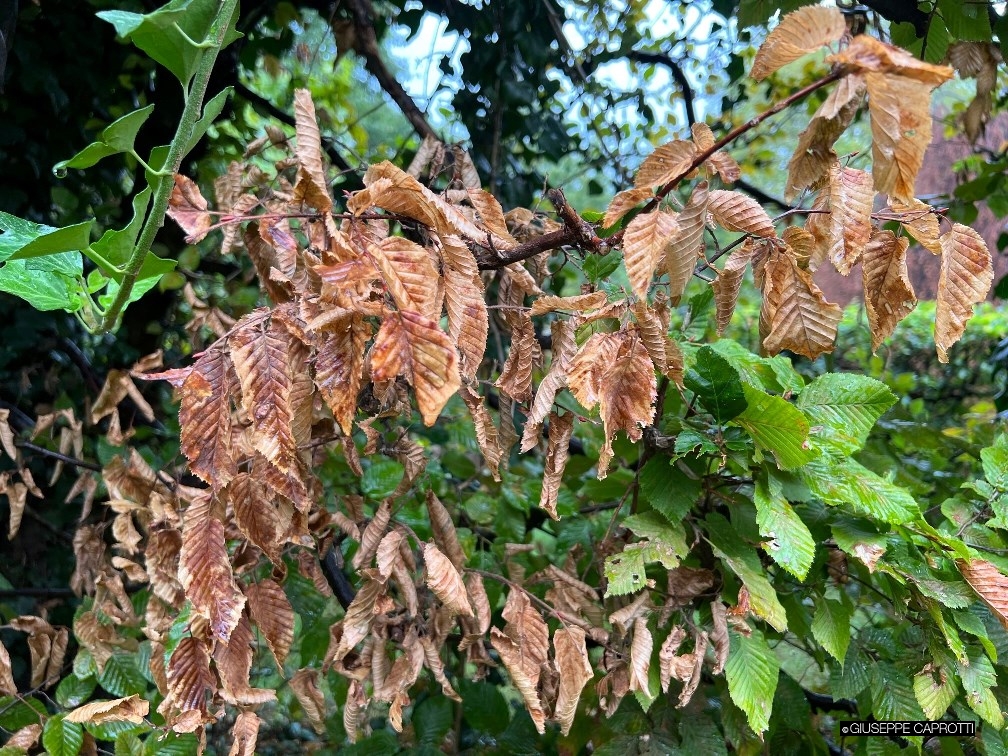
- The emergence of new plant diseases
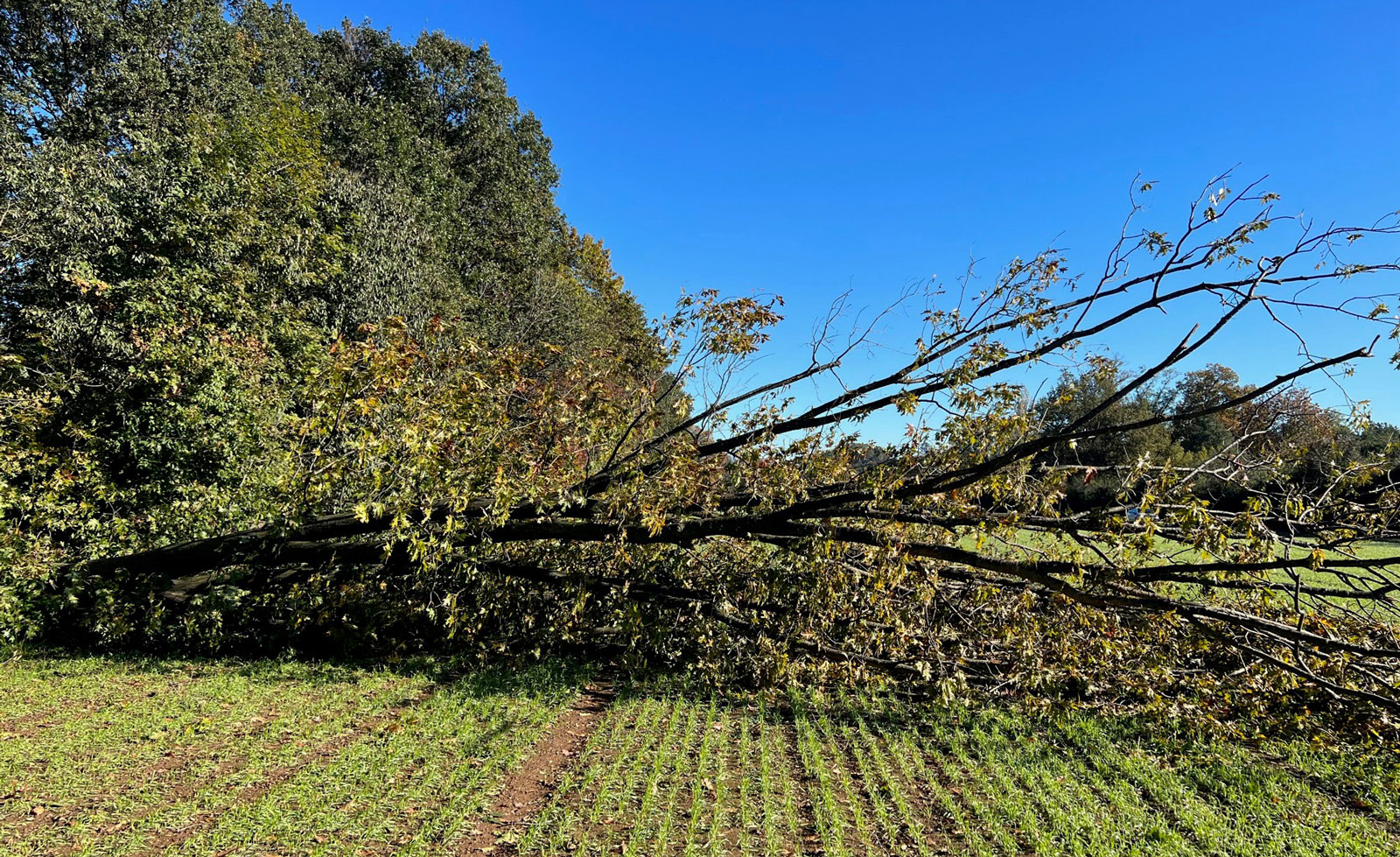
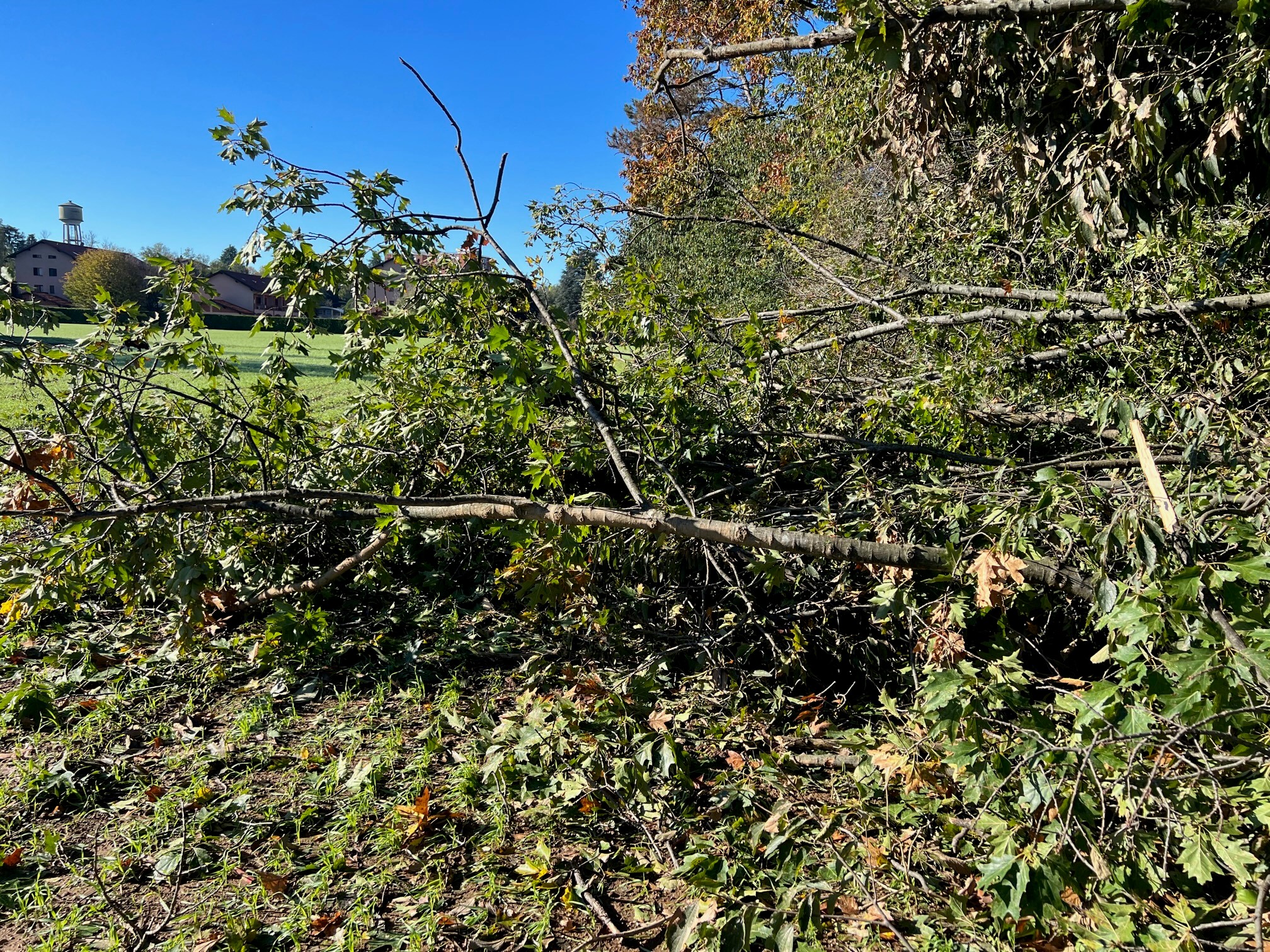
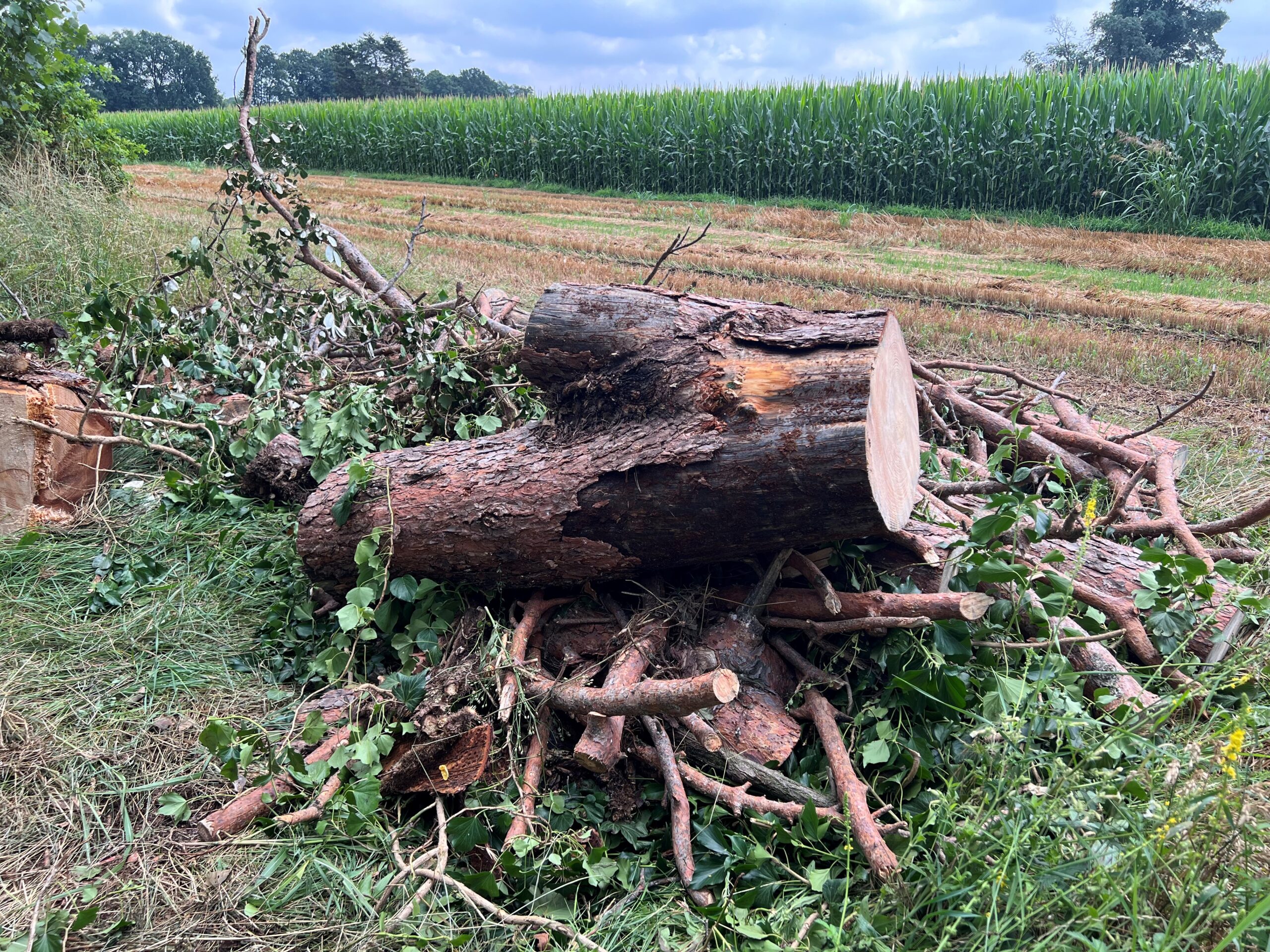
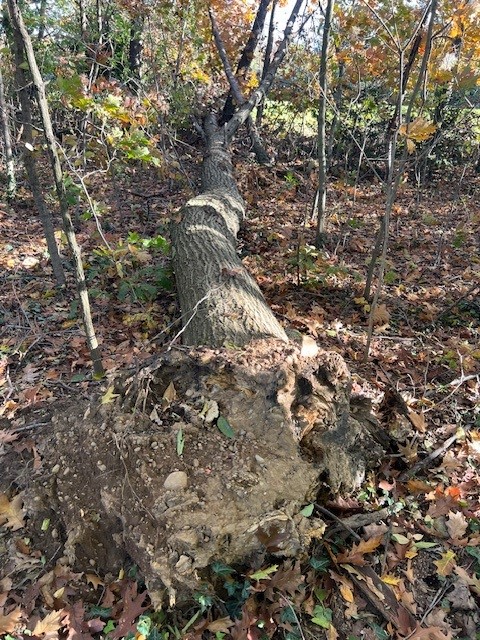
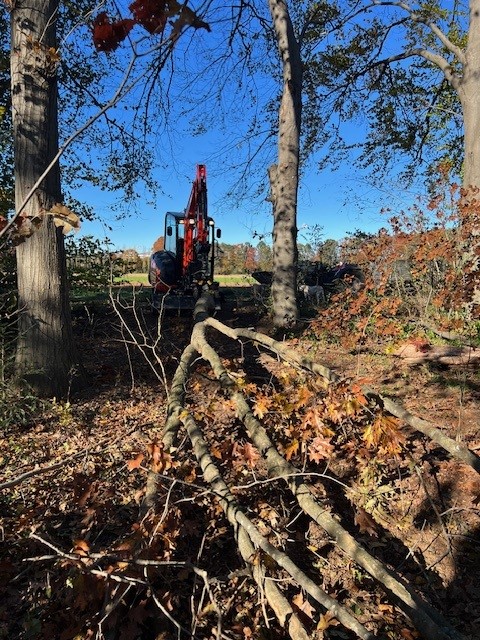
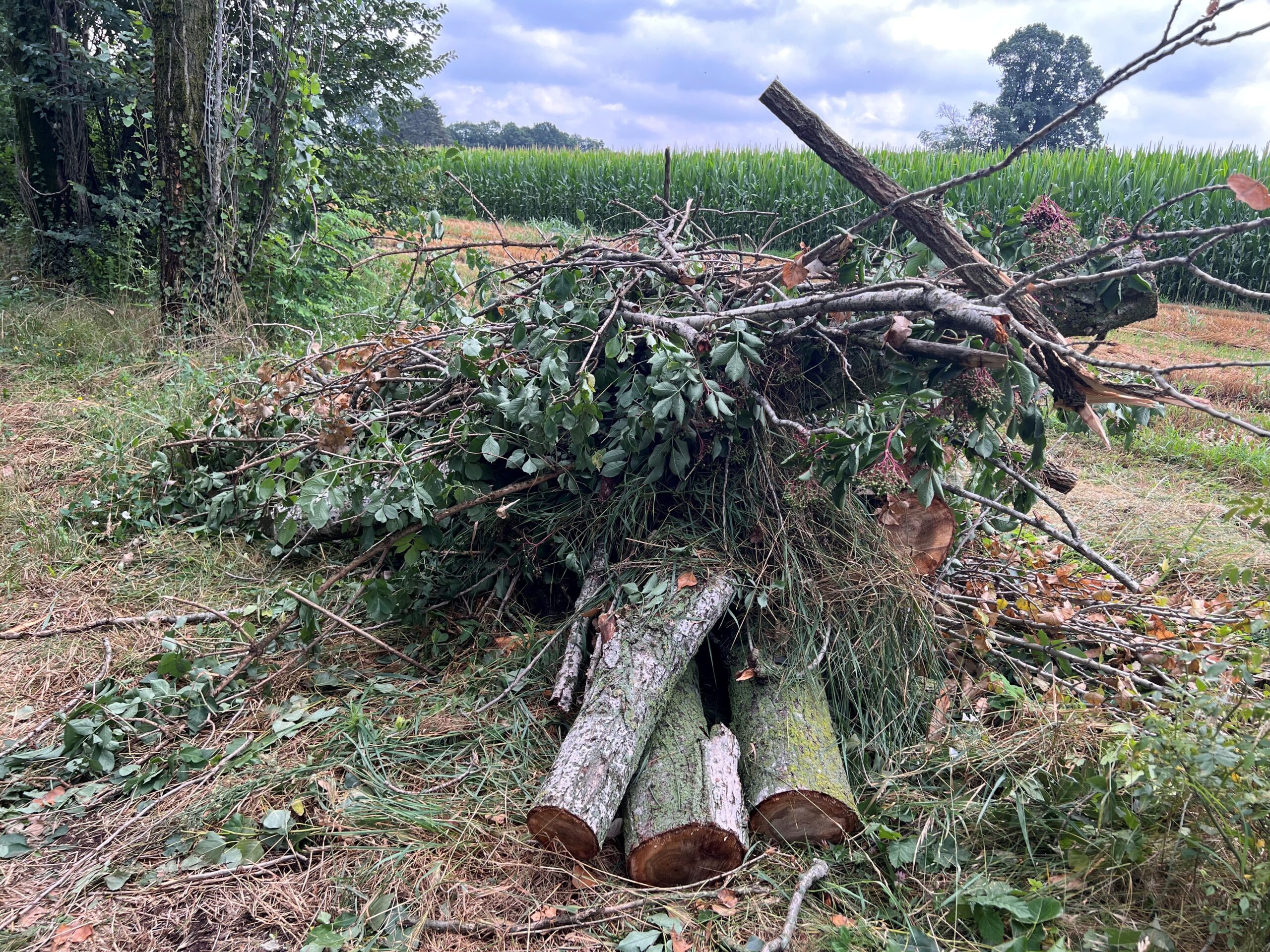
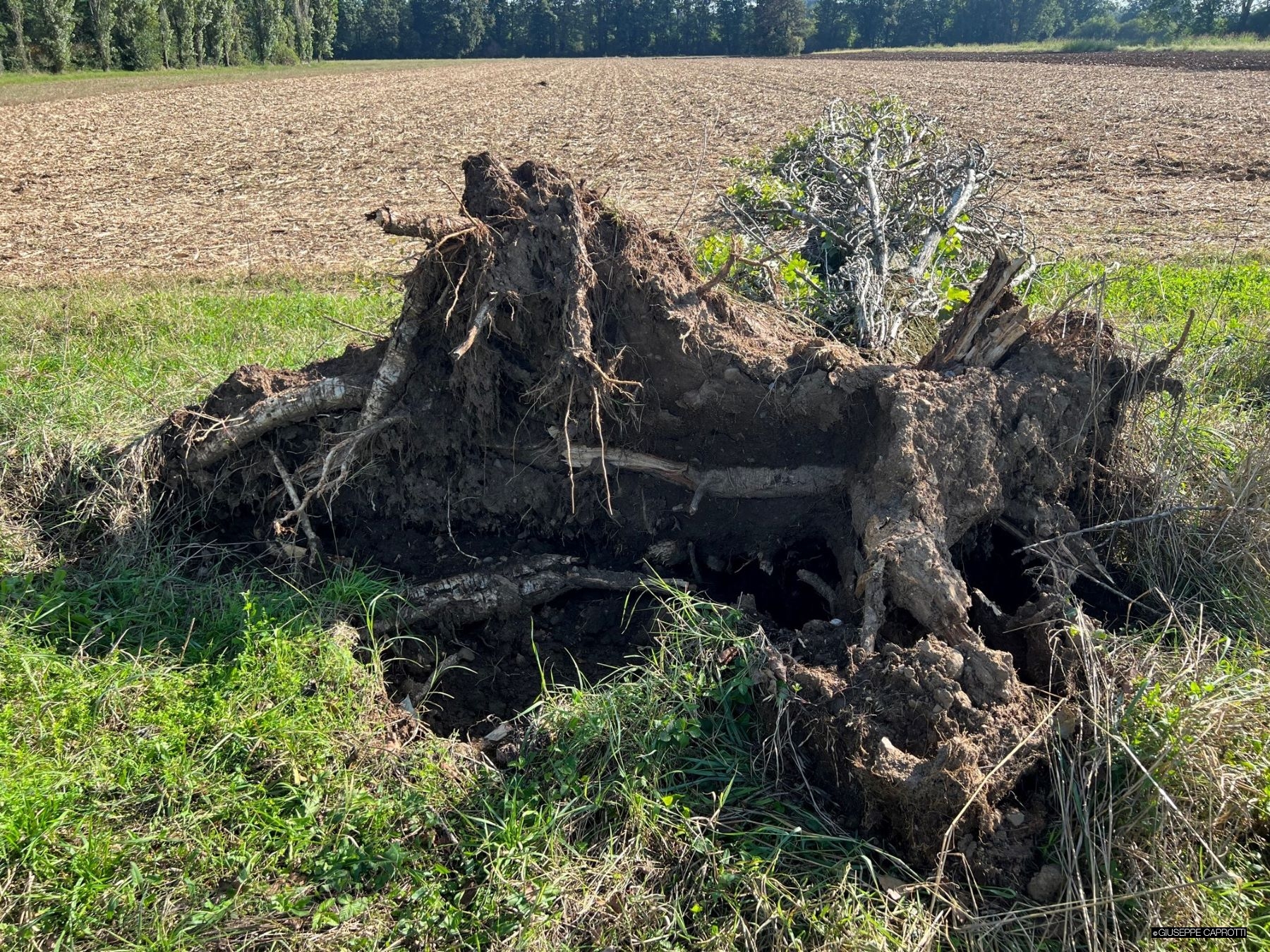
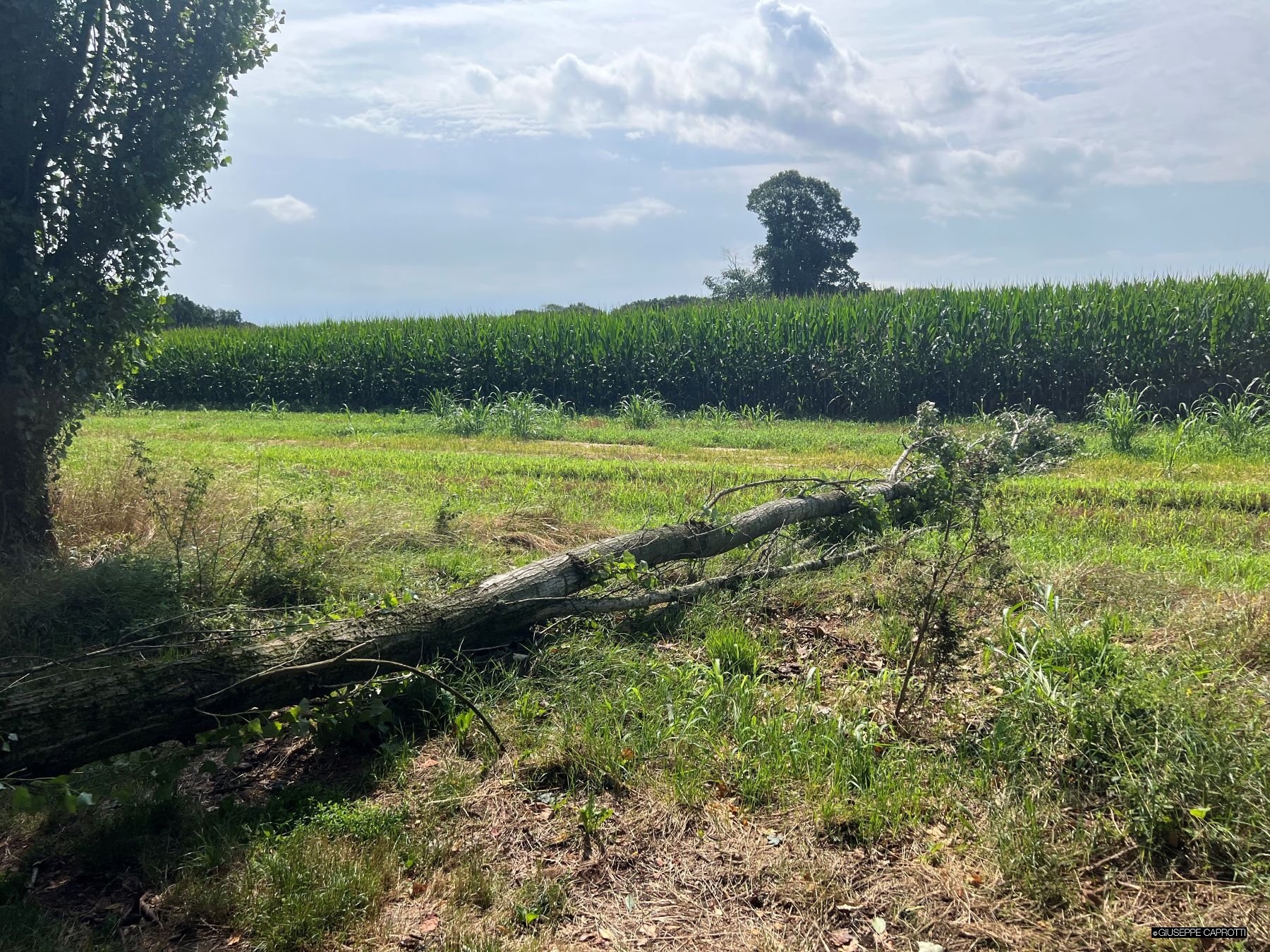
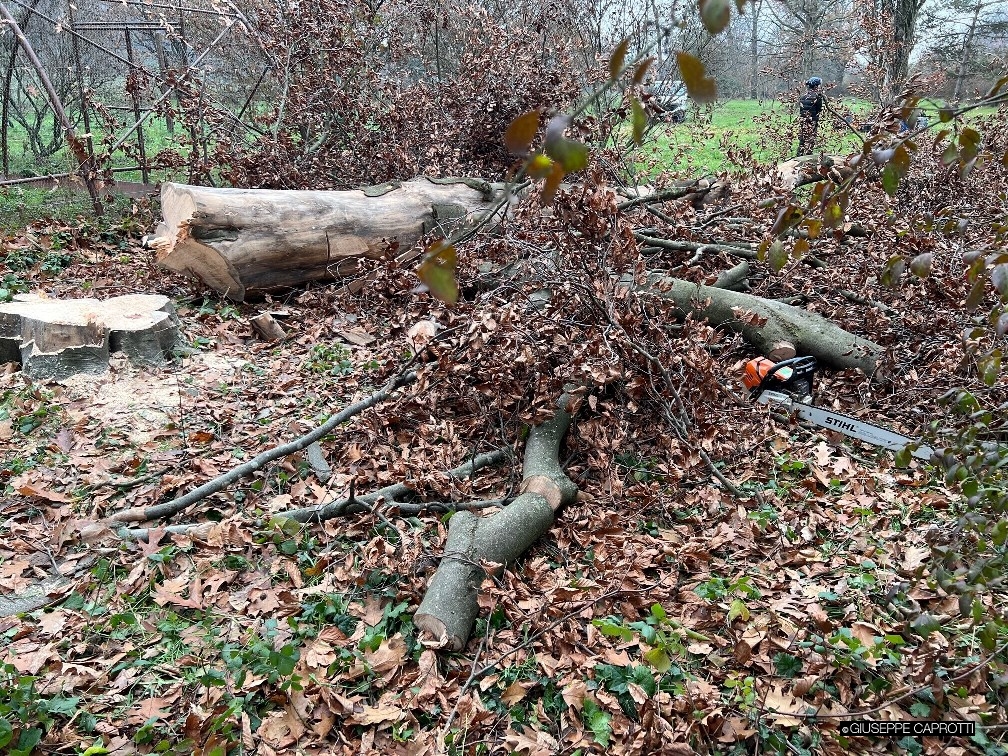
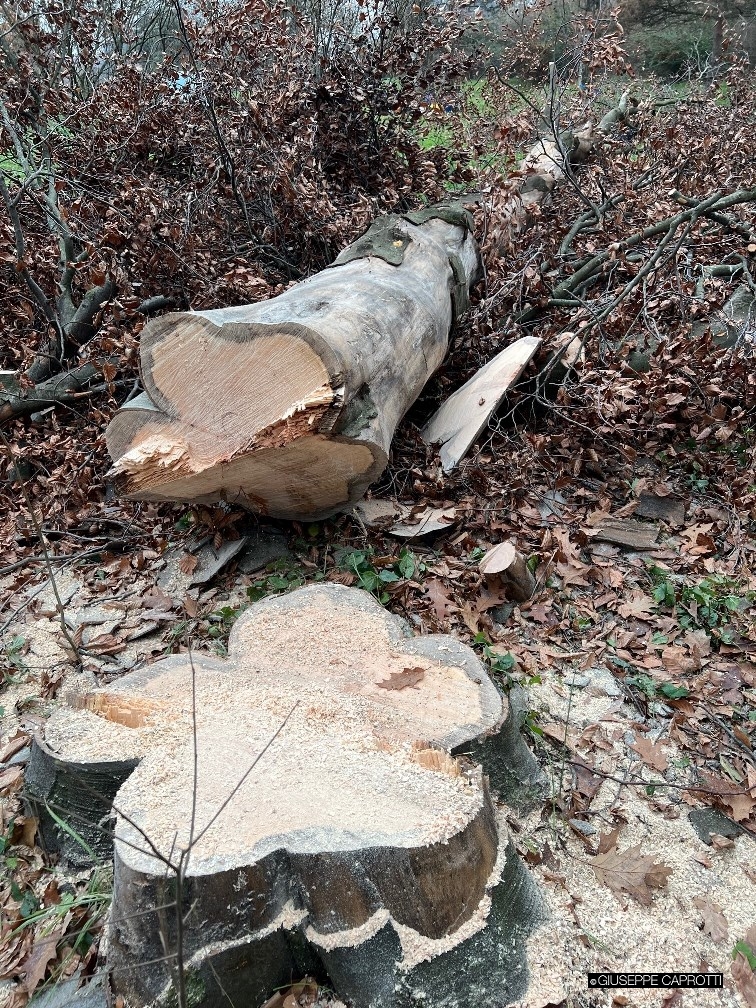
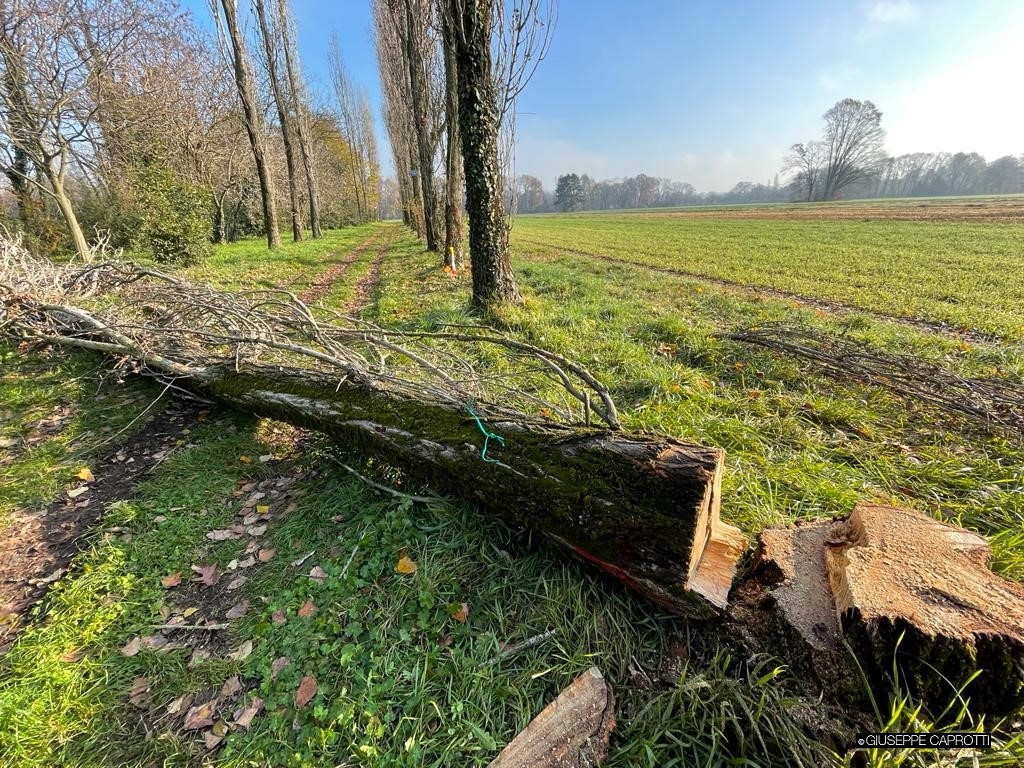
- Tree falls – in the past year alone, about 15% have been lost
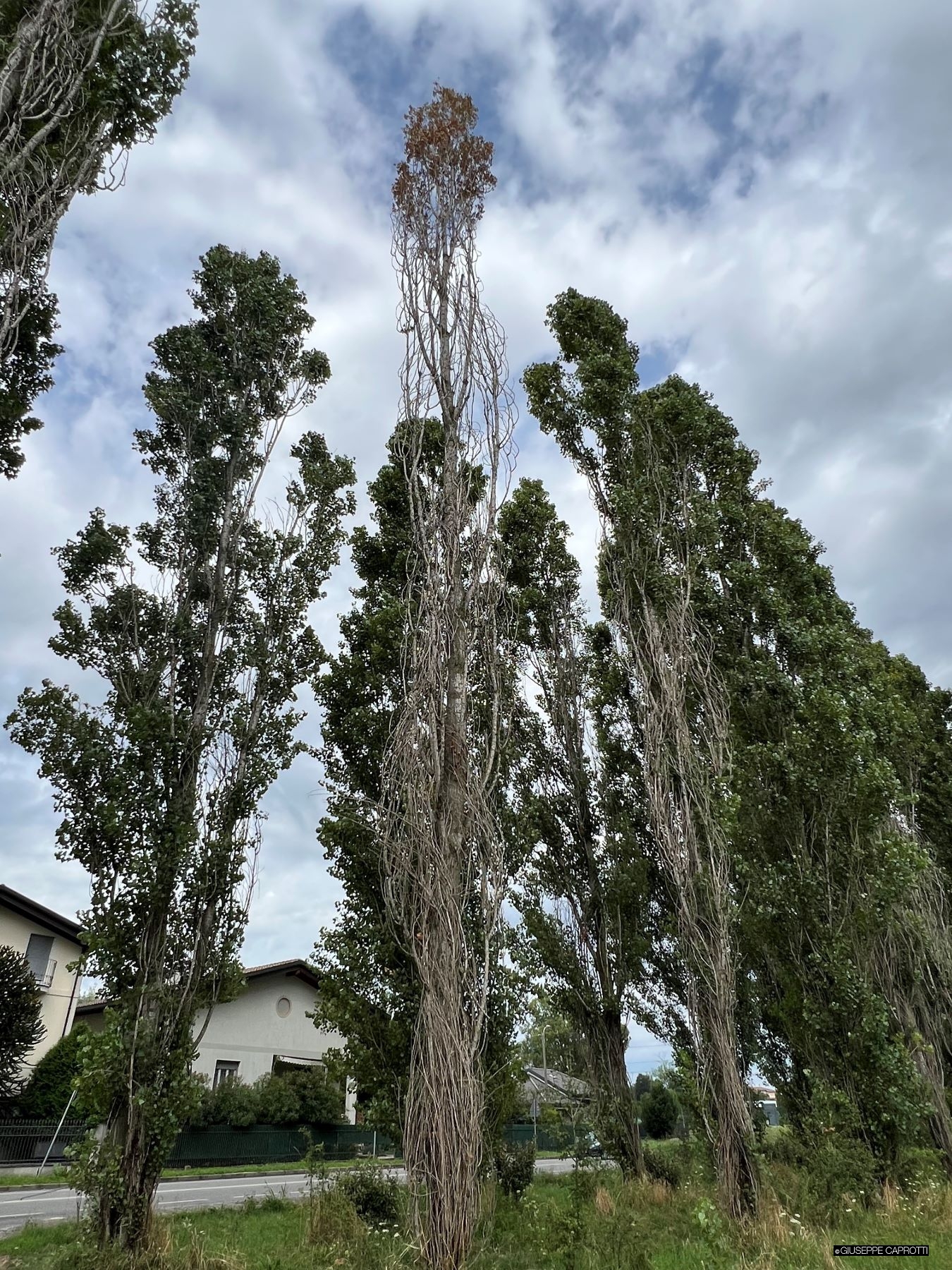
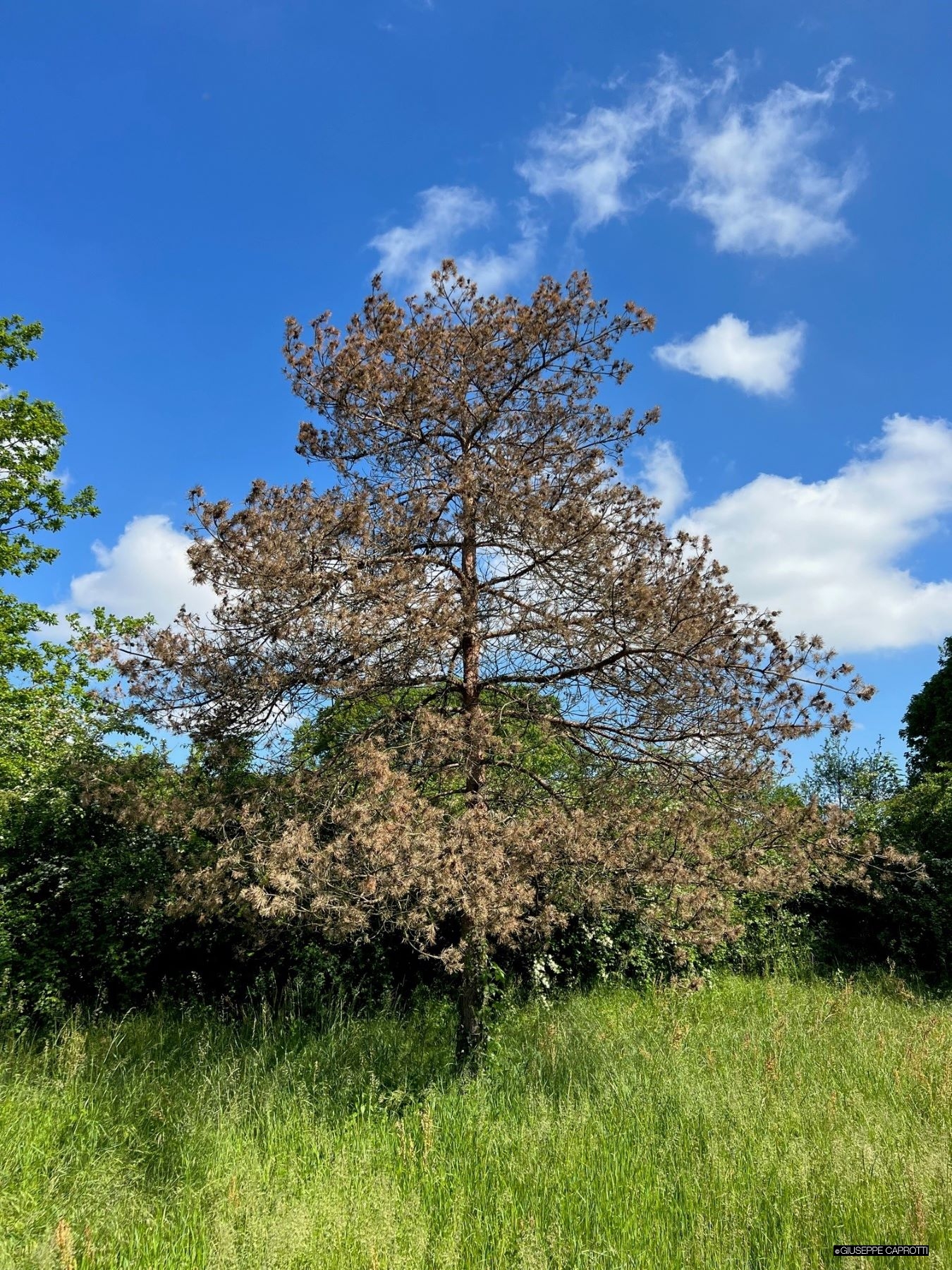
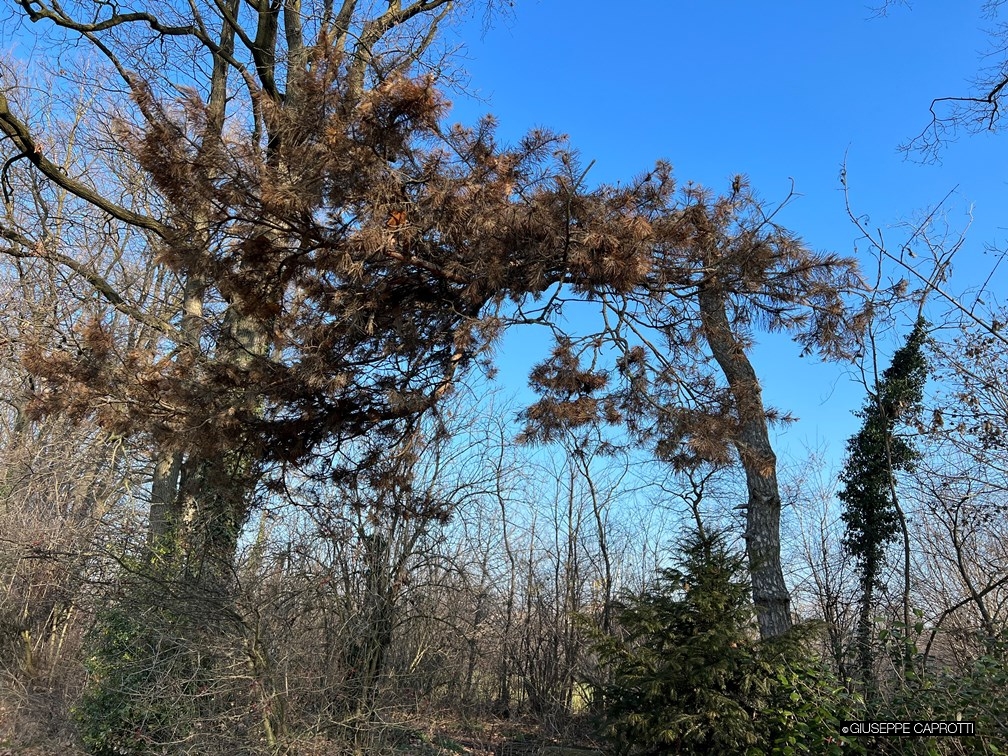
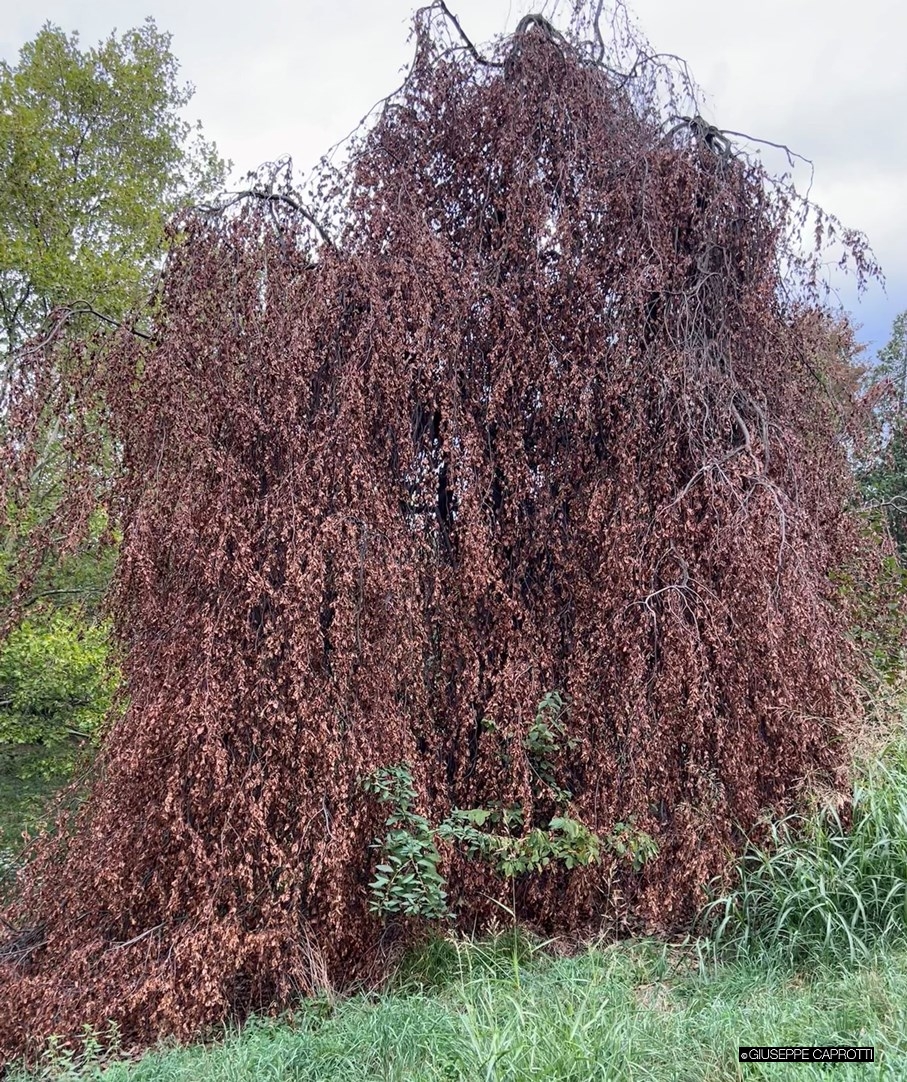
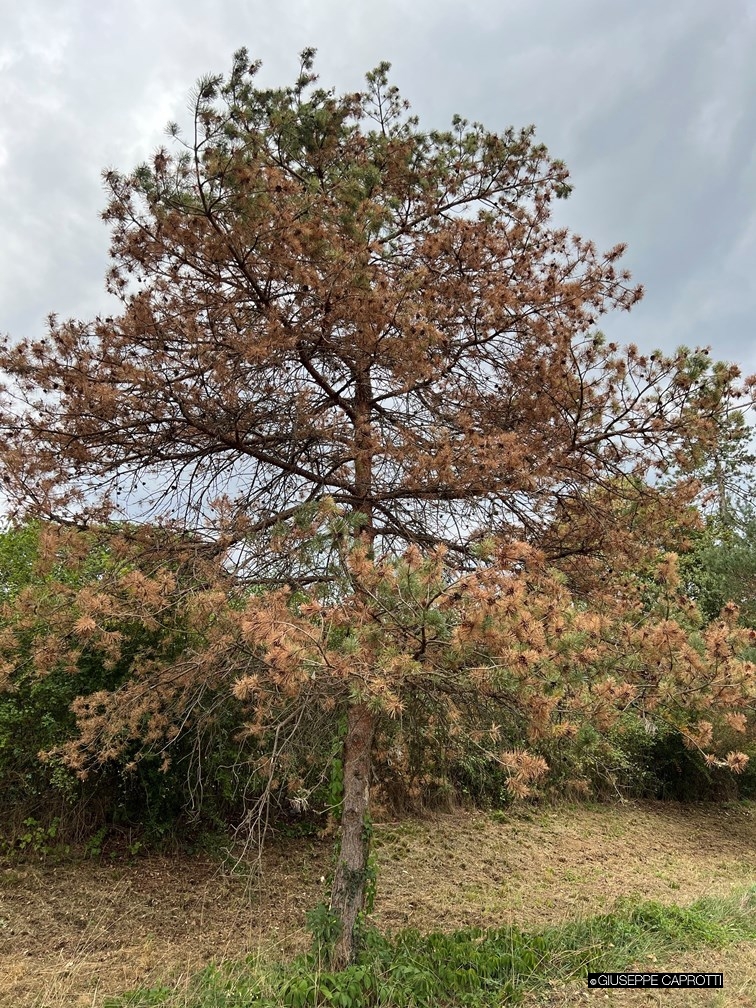
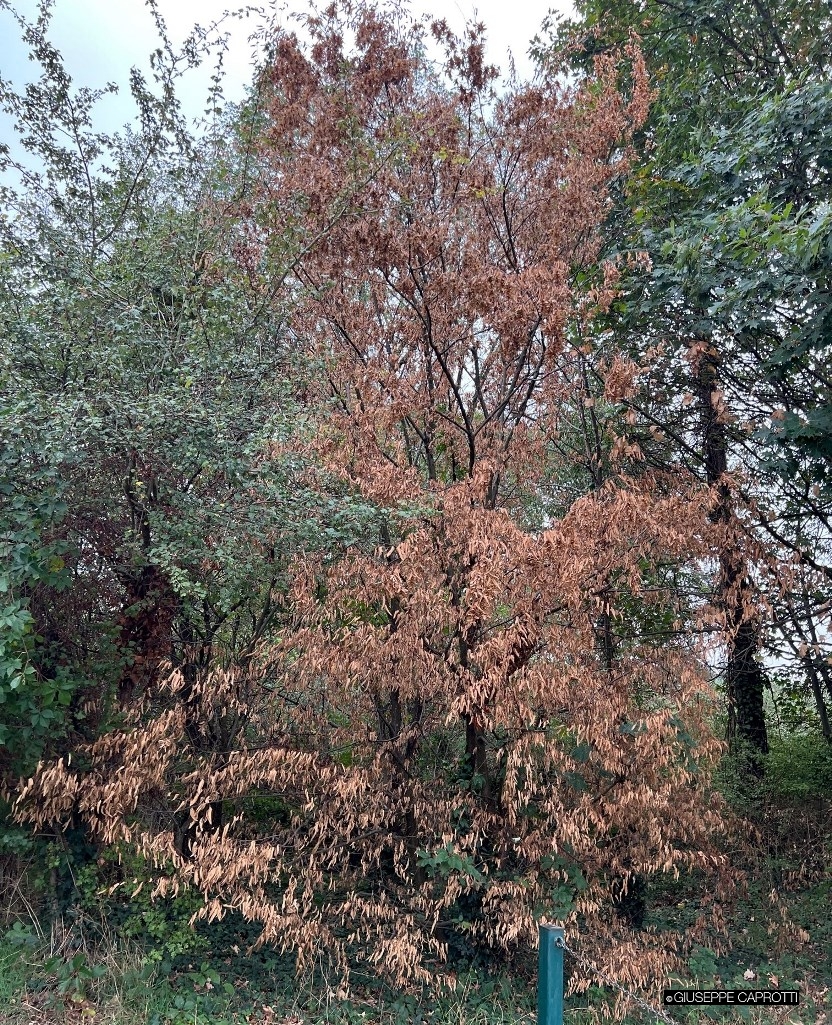
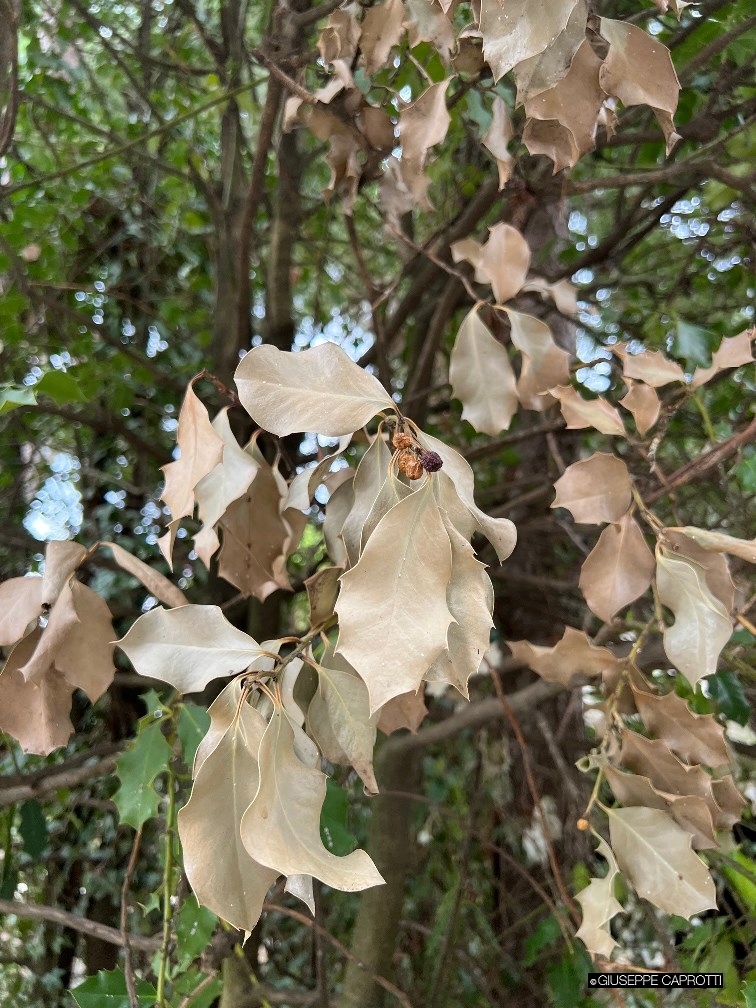
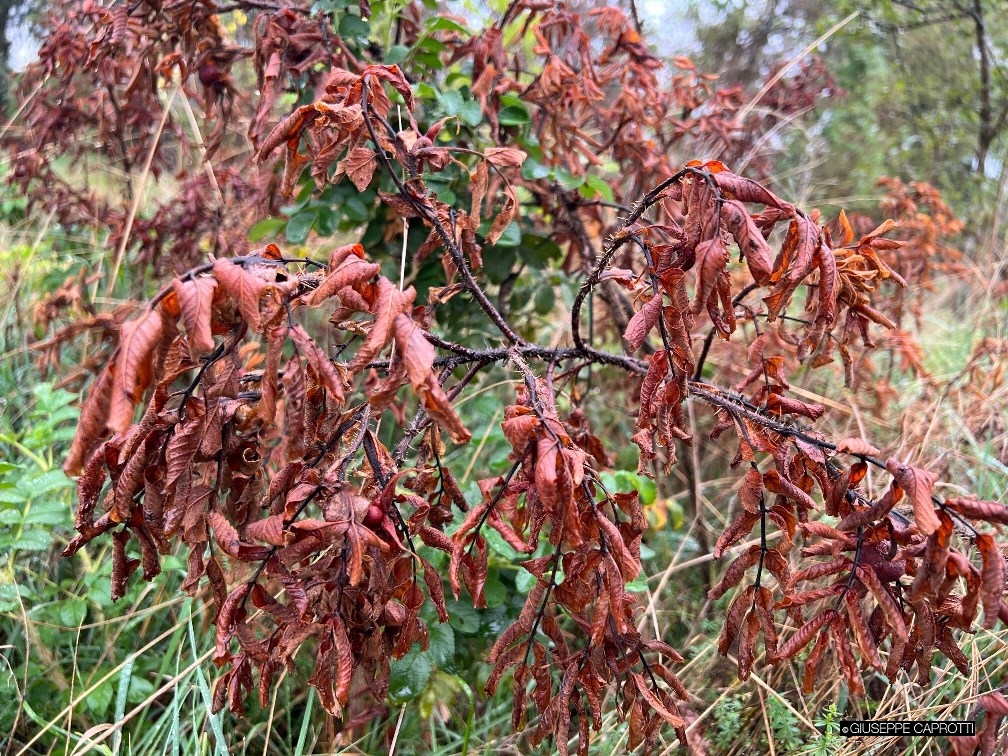
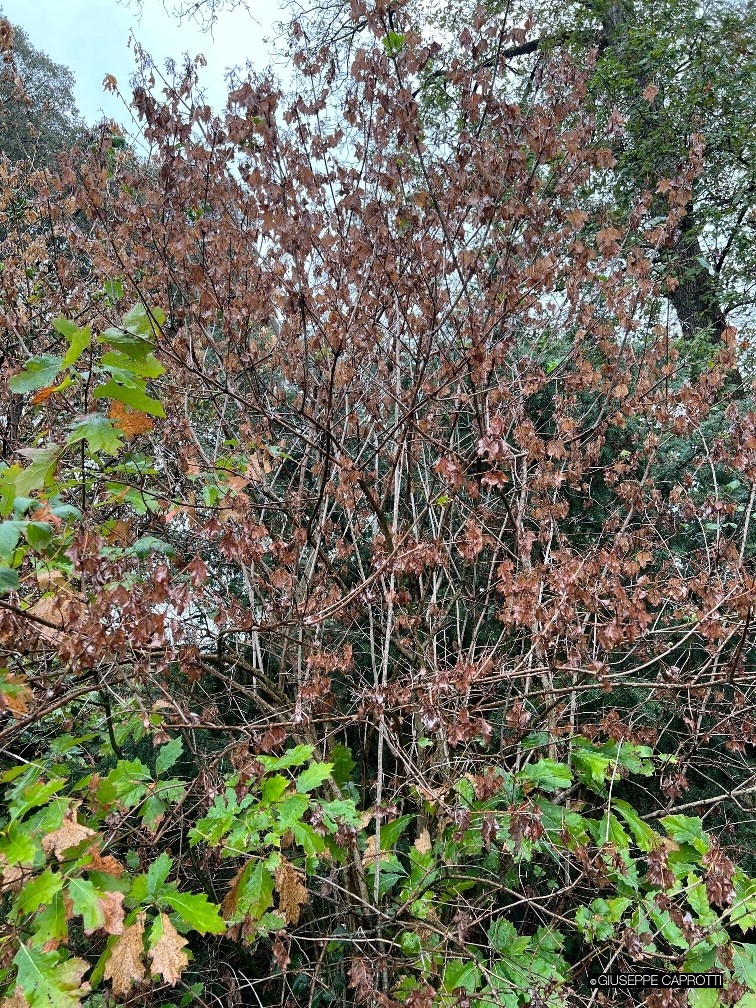
On the land adjacent to my home (approximately 25 hectares of a public park), from February 2023 until now, 123 trees have died – a silent but real tragedy.
New plant species are needed – ones that are more resistant to heat and drought, which will undoubtedly become even more necessary from June onward. They must also be plants with deeper root systems than the current poplars to withstand the strong winds of storms.
Deforestation not only contributes to pollution but also facilitates the spread of diseases. The videos and photos featured in this article speak louder than any text.
For these reasons, I will present a reforestation project for the roughly 25 hectares currently covered by woodlands. Furthermore, in collaboration with the Guido Venosta Foundation, I aim to gradually replace the lawns of agricultural lands with trees and shrubs.
This initiative encompasses both reforestation and afforestation in an increasingly challenging context, as at least one third of European tree species are not suited to global warming.
Articles
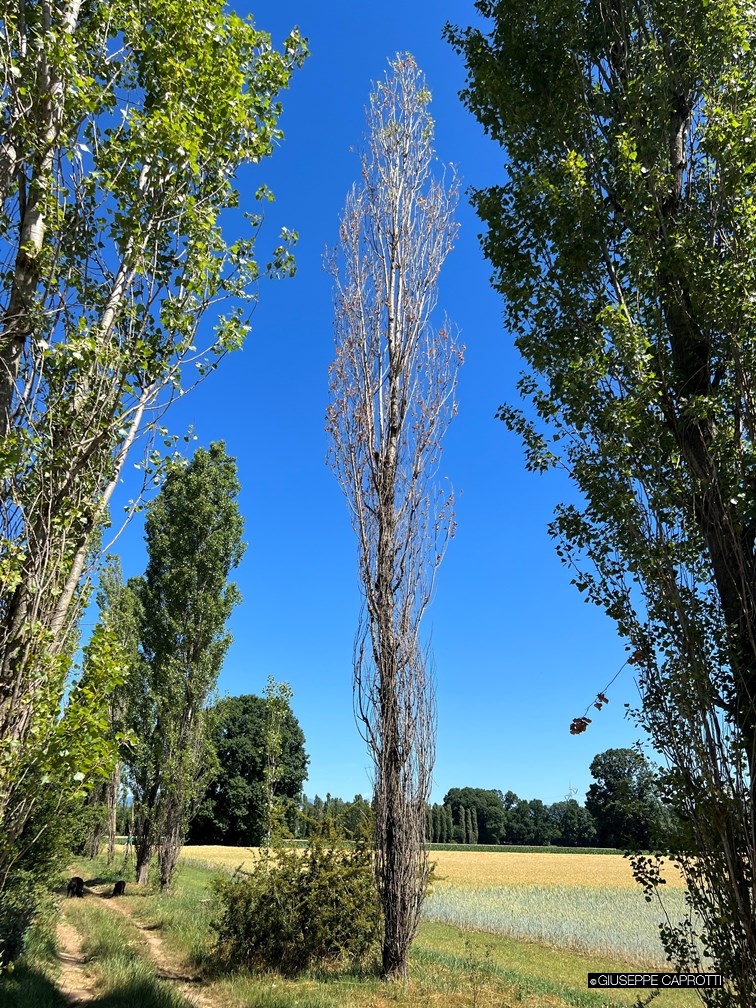
Cover photo: A climbing plant scorched by the heat in Albiate (MB). Drafted on July 7, updated on July 8, 2025. The story of environmental degradation in Albiate—illegal dumping, climate change, and reforestation—began in 2006. […]

Poplars are ill-suited to cope with climate change for two reasons: their roots do not penetrate deeply enough to withstand the increasing water stress, and their height makes them vulnerable to the increasingly frequent storms, even in Brianza. In April, out of 271 poplars planted 25 years ago, 116 had died (271 – 155), almost half. I requested permission to replace them with lime trees in the Regional Park of the Lambro Valley but, to date, after several months of waiting, I have received no response.
On the land next to my house (about 25 hectares, of park open to all), from February 2023 to today, 123 trees have died: a silent but real massacre. In Italy in 2023, extreme events rose to 378, marking a +22% compared to 2022. The images and videos speak for themselves.