
Climate Change: food at risk for one in four children
Written by Giuseppe Caprotti
Climate change continues to dominate the headlines.
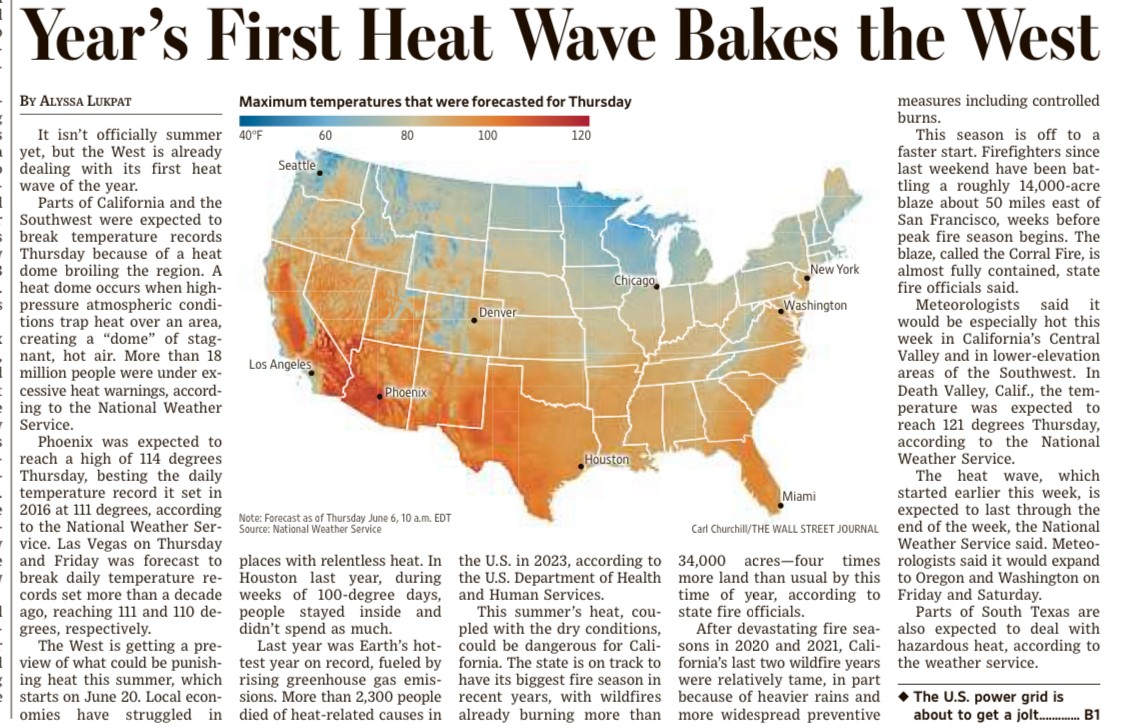
Last week in Italy, Repubblica covered the issue, and as always, many foreign—and even conservative—outlets have also weighed in. For example, The Wall Street Journal is focusing on the heat waves in the USA following those that recently struck India.
Clearly, food supplies are at risk in certain regions of the world.
The most affected are the poorest, those who have already suffered from inflation, which has hit the weaker countries hardest in Africa, the Middle East, Asia, and South America.
Among the many reports, this news stands out:
Conflicts and Climate Shocks Fuel Food Insecurity
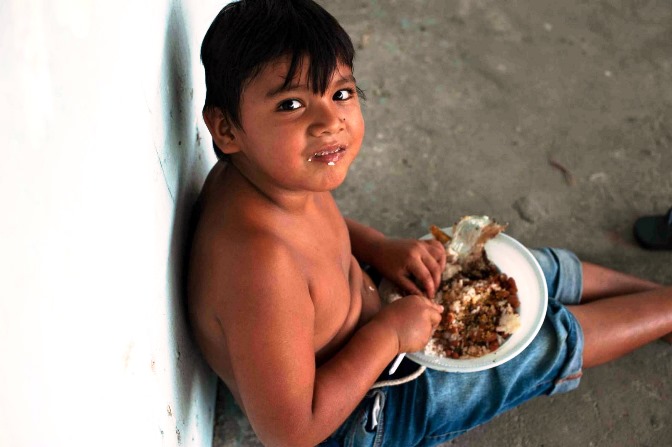
According to a UNICEF report (FT, June 7, 2024), over 25% of children under five suffer from severe hunger. More than one-third of the 181 million affected children live in South Asia, where two out of every five infants fall below the food poverty threshold—defined by UNICEF as the daily consumption of only two of the eight essential food groups—with countries like Afghanistan and India particularly hard hit.
The problem has been worsened by rising “conflicts, climate shocks, and economic crises,” making it increasingly difficult for families to find and afford nutritious food for their children, according to Harriet Torlesse, the report’s lead author and a nutrition specialist at UNICEF. The agency has stated that actions are also needed to combat rising food prices, the prevalence of unhealthy food, harmful food marketing strategies, and poor infant feeding practices. “We expect these trends to continue unless action is taken,” she added. “Child food insecurity must be elevated to a humanitarian and development priority.” A recent report by the Food Security Information Network, a global initiative, identified wars as the primary cause of food poverty.
In 2023, nearly 135 million people across 20 countries faced acute food insecurity due to conflicts—a rise of 82% compared to the 74 million affected in 2018…
While the report noted that in half of the 64 countries with data dating back to 2012 the percentage of children living in severe food poverty has changed little, almost one-fifth of the countries examined have seen their situation worsen over the past decade. Stronger community education and more robust social safety nets are essential to ensure the United Nations reaches its sustainable development goal of ending malnutrition by 2030, Torlesse emphasized. “Unless we act now to improve the consumption of nutritious diets in early childhood, it is highly unlikely that sufficient progress will be made towards these goals,” she added. Some of the highest rates of food poverty are recorded in Sub-Saharan Africa, where stunting—a severe form of malnutrition—is expected to remain more than twice the agreed target in several Western and Central countries of the region. Food insecurity in these areas has been exacerbated by increased drought and flooding due to climate change, which have destroyed vast tracts of arable land.
Marta Favara, Director of Research at the Young Lives study on poverty and inequality at the University of Oxford, stated that child food insecurity has long-term consequences. “When mothers are exposed to shocks during pregnancy, it affects the health of newborns and has a persistent impact on children’s development. Undernutrition in childhood not only stunts physical growth but also impairs cognitive development, setting off a chain reaction that influences educational and employment outcomes.”
Rapid progress is possible. UNICEF noted that Burkina Faso has halved the prevalence of child food insecurity over the past ten years through targeted investments in agriculture, social safety nets, and infant nutrition education. However, citizens in the poorest regions are increasingly relying on cheaper, ultra-processed foods and beverages, according to UNICEF. Data from the Global Nutrition Report have shown that the consumption of processed foods doubled between 2010 and 2022 in lower-middle-income countries, while purchases of non-alcoholic beverages increased by 70% over the same period.
Favara explained that this has created a “double burden” of malnutrition, as countries face rising obesity rates alongside undernutrition. While problems caused by processed foods predominantly affect urban areas, acute food insecurity is more prevalent in rural communities. Sabina Alkire, Director of the Oxford Poverty and Human Development Initiative, called for greater attention to the fight against rural poverty, especially at a time when extreme weather events are devastating agricultural livelihoods.
“It is important to find the most effective policies to address multiple deprivations,” Alkire stated. She noted that some of the regions hardest hit by conflicts and climate shocks have experienced an “erosion” of humanitarian support. “The number and severity of conflicts are increasing,” she added. “[Yet] there are forgotten wars and droughts, where people are in desperate need of intervention, assistance, and solidarity—even if the public is less aware of them.