Climate change represents an increasingly pressing threat to human health
Article drafted on November 9 and updated on November 26, 2024
Written by Giuseppe Caprotti
Climate change represents an increasingly pressing threat to human health.
Rising mortality, lost working hours, and the resurgence of infectious diseases… Public health indicators monitored by an international group of experts show that “the climate crisis is also a health crisis.”
By Delphine Roucaute
Heat, torrential rains, drought: global warming has multiple impacts on human health, as documented over the past nine years by the expansive Lancet Countdown panel – 122 experts from 57 academic institutions, in collaboration with United Nations agencies. The 2024 annual report, published on October 30 in the medical journal The Lancet, warns of increasing health risks related to climate change.
Among the sixty selected indicators, the most striking is the rise in heat-related mortality, particularly among older populations—but also among very young children, people with chronic illnesses, and vulnerable urban communities who are most exposed to heat. According to the report, the number of people over 65 who died due to high temperatures in 2023 increased by 167% compared to the 1990s, which is 102 percentage points higher than the 65% increase expected solely from global population aging.
Yet these harmful consequences do not affect only the most vulnerable. Experts point out that in 2023, outdoor physical activity was put at risk by an additional 27.7% increase in hours exposed to heat compared to the average in the 1990s.
We also observed a record loss of 6% in sleep hours in 2023 compared to the 1986–2005 period.
“We see that rising temperatures have led to a record loss of 512 billion potential work hours in 2023, with the vast majority of these losses occurring in the agricultural sector,” added Marina Romanello, Executive Director of Lancet Countdown and a researcher at University College London, during the report’s presentation on October 24.
This has translated into a potential loss of revenue amounting to 835 billion dollars, with low Human Development Index countries bearing most of the damage (a reduction of 7.6% of their GDP).
The headline in Corriere della Sera on November 18, 2024 (“Man? Never been better. Climate? Never been worse”) is very superficial and reveals the inconsistency of the debate in Italy on this subject.
Extreme Precipitation and Drought
New indicators further complete this overall picture, particularly extreme precipitation caused by climate change. Over 60% of the Earth’s surface recorded an increase in the number of days with very heavy rain when comparing the period from 1961 to 1990 with that from 2014 to 2024. At the same time, 48% of these territories experienced at least one month of extreme drought in 2023. North Africa, Southern Africa, and South America were particularly affected.
To illustrate the link between precipitation and infectious diseases, the authors emphasize that in 2023, 88,348 kilometers of coastline will have had waters conducive to the transmission of the bacterium Vibrio, which can cause skin and gastrointestinal infections—an increase of 14% compared to the previous record in 2018. In 2023, the number of cases of vibriosis reached a new record of 69,000.
Another consequence of these hardships is the increase in sand and dust storms, driven by hotter conditions that expose more people to dangerously high levels of fine particulate matter (+31%).
“Adding Fuel to the Fire”
“What is most concerning is not only these record impacts, but also the fact that despite knowing these health threats, governments and companies continue to add fuel to the fire,” deplores Marina Romanello. In 55% of the countries studied, fossil fuel subsidies accounted for more than 10% of total national health expenditures. Moreover, 27% of the countries spend an amount equivalent to their entire health budget on fossil fuel subsidies. “I believe that collectively—and I include myself in this category—we have been too slow to acknowledge that the climate crisis is a health crisis,” comments Jeremy Farrar, Chief Scientist of the World Health Organization.
This growing awareness has already led to some encouraging results. The adoption of clean, renewable energy has shown a positive trend. The share of electricity produced from clean renewable sources reached a record level of 10.5% in 2021—almost double compared to 2016. Additionally, air pollution from fossil fuels decreased by 6.9% from 2016, with nearly 60% of this reduction attributed to efforts to cut pollution from coal combustion. “The significance of this result lies in its demonstration of the enormous potential of gradually phasing out coal to improve health and reduce the burden of air pollution,” explains Marina Romanello.
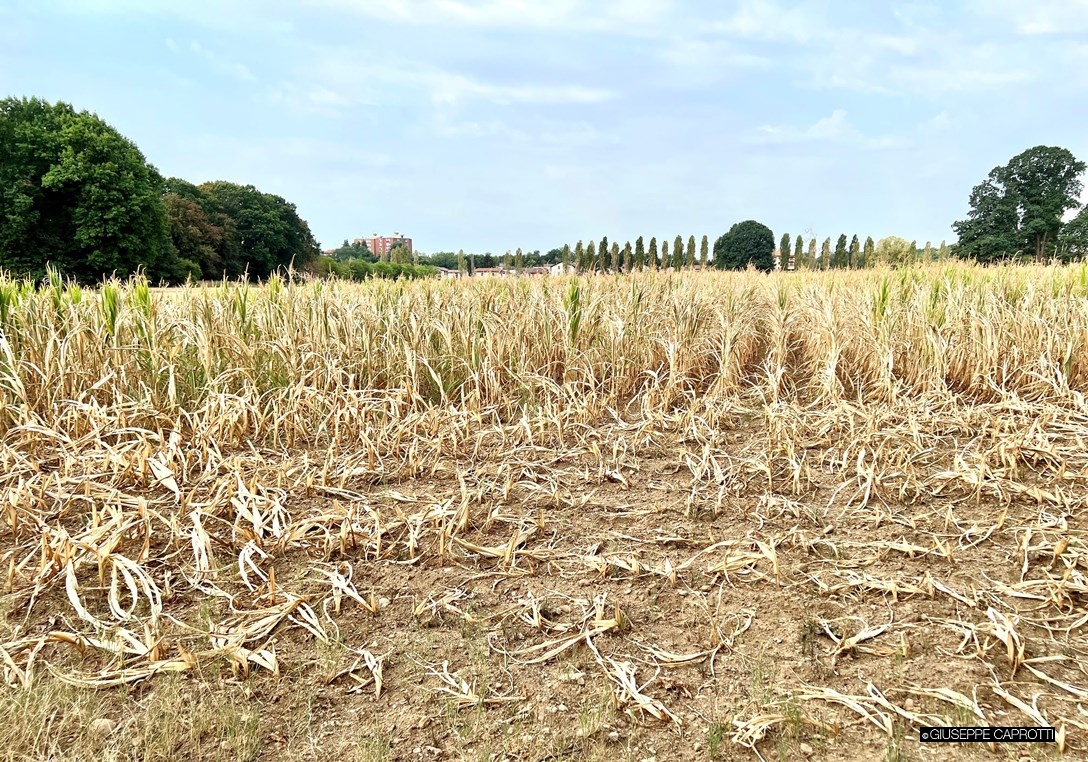
Below: a field of corn devastated by heat in Albiate.
Read more about: At COP29, a very bitter climate deal for Southern countries.
“Clearly, drought will threaten food security, water insecurity will increase the risk of infectious disease transmission, and agricultural productivity will be jeopardized,” emphasizes Marina Romanello. Changes in precipitation patterns and rising temperatures also favor the spread of arboviruses transmitted by the tiger mosquito (Aedes albopictus) or its relative Aedes aegypti, responsible for dengue, West Nile virus, or Zika virus. According to the report, the annual risk of dengue transmission by Aedes albopictus and Aedes aegypti has increased by 46% and 11% respectively since the 1950s [dengue is a major problem in France, for example].
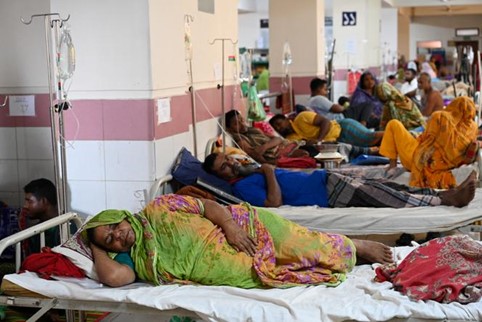
Patients suffering from dengue fever are being treated in the Mugda General Hospital in Dhaka, Bangladesh, on September 11, 2024. (MAMUNUR RASHID/NURPHOTO via AFP)