
Is cooked ham carcinogenic? And what about other cured meats? An expert explains the WHO classification
In-depth report published on 01/02/2026 – Editorial Staff
Excerpt from La Stampa:
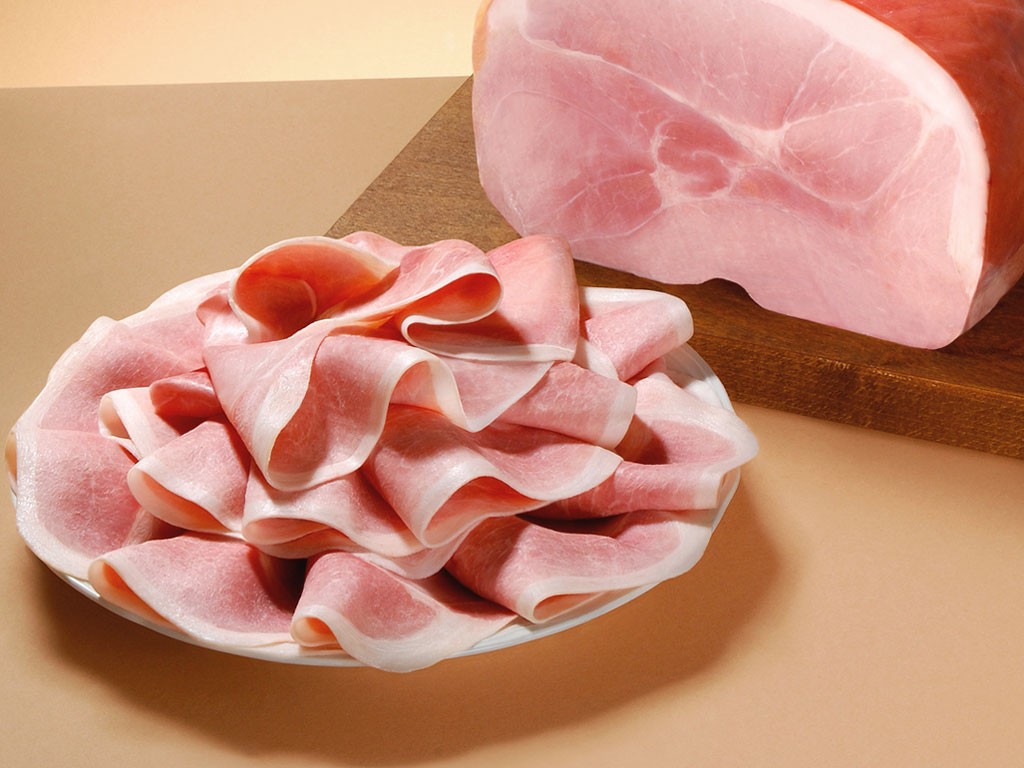
… Giorgio Calabrese, physician and nutritionist, university lecturer and scientific adviser to the Ministry of Health: “One thing is a hot dog or a heavily processed sausage, which has been processed and contains a lot of fat; another thing is cooked ham, which comes from pork that is actually trimmed of fat.”
Professor Calabrese, what does it mean to be placed in Group 1?
“It means that clear evidence of carcinogenicity in humans has been found. The reason is the presence of potentially harmful preservatives and the high content of saturated fats. Cured meats undergo industrial processes such as smoking, salting, cooking and preservation, and they contain preservatives that during processing can be converted into nitrosamines, carcinogenic compounds. But there’s no need for alarmism. What’s needed is a balanced diet and informed consumption. If intake is moderate, the risk is greatly reduced. According to the WHO, a portion of around 50 grams a day of processed meat could promote the formation of genetic mutations that may then increase the risk of colorectal cancer by about 18%. A lower-than-average consumption is strongly recommended.”
Cigarette smoke and alcohol are also in Group 1. Does that mean ham is as dangerous as they are?
“No, there’s no comparison. Group 1 also includes asbestos, but that doesn’t mean they are all equally hazardous. IARC classifications describe the strength of the scientific evidence that an agent causes cancer, rather than assessing the level of risk. Smoking and alcohol are far more aggressive carcinogens than processed meats.”
Red meat has been classified as Group 2A, probably carcinogenic to humans. What exactly does that mean?
“It means there is a suspicion of possible cancer risk linked to the amount and frequency of consumption. There are 96 agents in the same group, including very hot beverages (above 65°C), for example. In the case of red meat, up to 500 grams per week—split across two or three days—there is no scientific evidence of cancer onset. Moderation saves us; excess condemns us.”
So can we eat a ham toast?
“Of course, but not every day. Cooked ham contains high-quality proteins, haem iron, vitamin B12, many minerals, and fat-soluble vitamins. But we shouldn’t exceed 50 grams per week, not only because of the risk of genetic mutations that can lead to cancer, but also because of the cardiovascular and metabolic diseases that excessive ham consumption can cause.”