
Labels between safety and quality: understanding expiry dates to reduce food waste
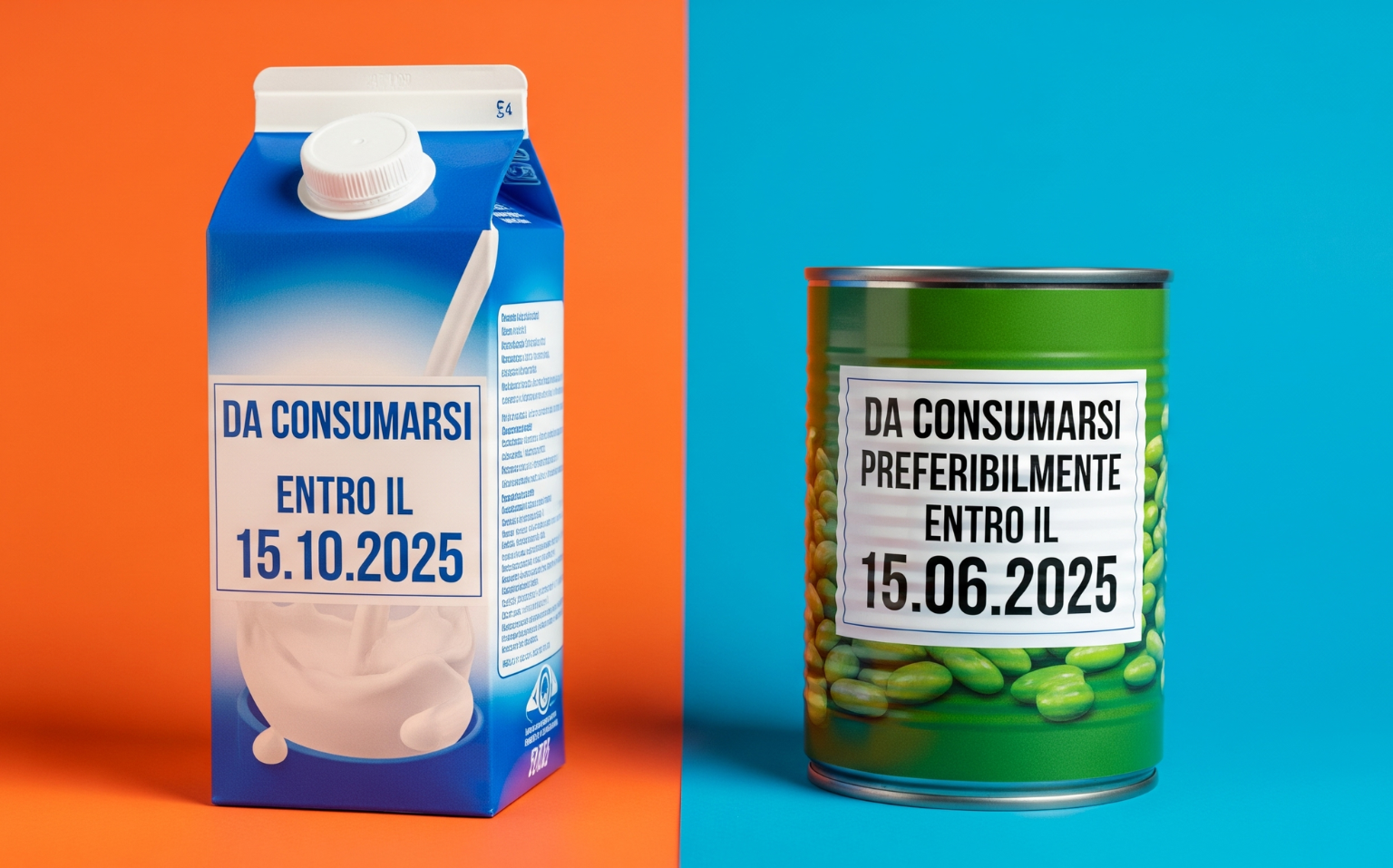
One of the main reasons why food continues to be wasted in Europe is the confusion surrounding expiry dates on food labels, particularly the misinterpretation of the phrases “use by” and “best before”.
The distinction is, in fact, clear.
“Use by” refers to food safety. After that date, the product may become unsafe to eat. This applies to perishable foods such as fresh meat, fish and dairy products.
“Best before”, on the other hand, refers to quality. The product may lose some of its taste, texture or aroma, but in most cases it remains safe to consume.
Several studies show that greater consumer awareness could have a major impact. The European Food Safety Authority (EFSA) has stressed that clear labelling is a key tool for reducing food waste without compromising safety.
Several European countries have already launched targeted campaigns to raise consumer awareness about the correct interpretation of food labels. In France and many other countries, Too Good To Go has promoted the “Too Good To Waste” programme, which helps citizens better distinguish between the different types of date marking.
In Denmark, some companies have introduced the phrase “ofte god efter” — “often good after” — alongside the “best before” date: a simple and intuitive message encouraging people not to throw away food that is still edible.
In Italy, the “Spreco Zero” campaign, created by the University of Bologna and Last Minute Market, has also emphasized the importance of reading labels more consciously.
In Germany, meanwhile, the Federal Ministry of Food and Agriculture (BMEL) has relaunched the campaign “Zu gut für die Tonne!” — “Too good for the bin” — with a specific focus on understanding expiry dates.
To make better decisions, it is important not only to read the date but also to observe the product: check its appearance, including colour and whether the packaging is intact; smell it to detect any unusual odours; and, if it appears to be in good condition, taste a small amount to make sure the flavour is normal.
When correctly interpreted, labels become a tool for sustainability: they help people trust their own judgement, consume more responsibly and reduce the environmental impact of everyday choices in the kitchen.