
Tofu cooked using plastic waste as fuel: what is happening in Indonesia
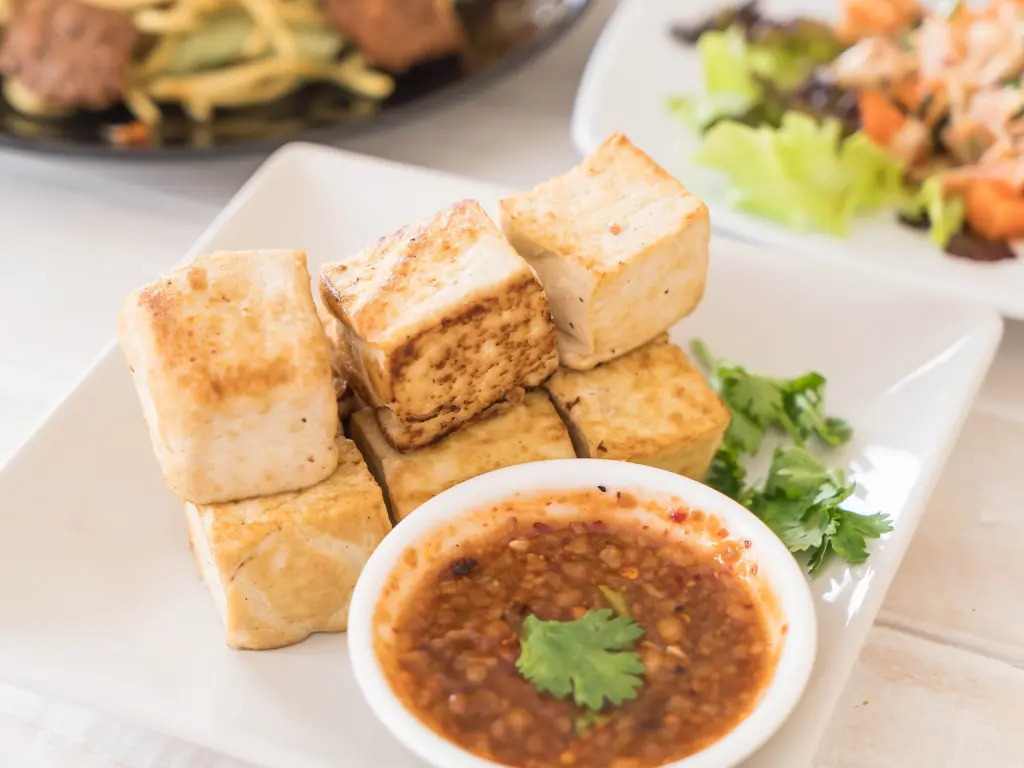
For millions of Indonesians, tofu is far more than just another food: for centuries, it has been one of the main sources of protein in the daily diet, an affordable staple found on tables across the country virtually every day. This soy-based food, which has sustained generations, may now be putting both human health and the environment at risk because of the way it is produced: plastic waste is being used as fuel, with the waste coming from Europe, the United States, Australia, New Zealand and Japan.
The tofu produced in these facilities does not end up in supermarkets around the world, yet its production begins with waste generated in Western countries. According to the World Health Organization, the practice can promote the release of microplastics and toxic substances during processing, creating a risk of contamination for other products in the food chain as well, including eggs…
Because of its low cost, plastic has replaced traditional fuels such as wood, coconut shells and rice straw…
Workers have reported burns, dermatitis and fungal skin infections as a result of exposure to the fumes…
Some have described it as “environmental colonialism”.