Accessible Labels: Spain Proposes an EU Revolution for the Visually Impaired
In recent years, labels have become the symbol of a broader battle: the fight for transparency. They are supposed to help us understand what we eat, where what we buy comes from, and what choices we are really making. Yet reality is often more confusing than it seems. Between overlapping regulations, bureaucratic battles such as the one over shrinkflation, and opaque marketing strategies, consumers risk getting lost precisely where they should find clarity.
In this context, accessibility adds an even more crucial dimension: if navigating tiny print, acronyms and ambiguous wording is already difficult for many, for those living with a visual impairment it becomes almost impossible. For blind or partially sighted people (currently 1.5 million in Italy and 30 million in Europe), shopping independently is far from simple. Checking for allergens, reading expiry dates, and accessing all the other information on food packaging are still largely inaccessible tasks for consumers with visual disabilities.
This is an information barrier on top of a “jungle” of material obstacles—architectural barriers or, more simply, barriers in accessing common everyday services.
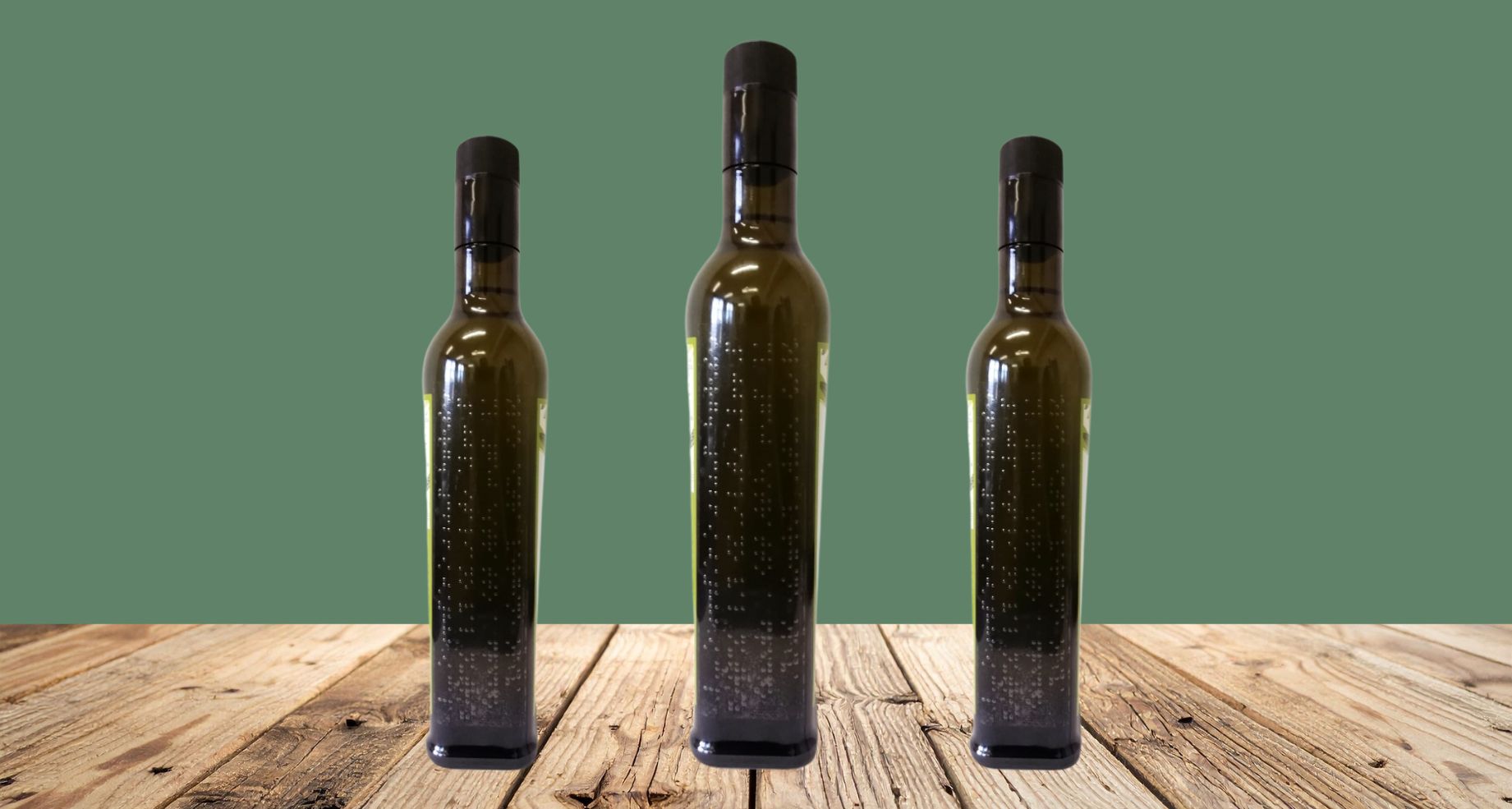
To overcome this information barrier, Spain has notified the European Commission of a draft decree that would make Braille labelling mandatory (or require accessible digital alternatives such as QR codes) for food, cosmetics, personal hygiene products and hazardous substances. This initiative goes beyond regulatory streamlining: it represents a concrete step toward a model of inclusive transparency, where knowledge becomes a real right, not the privilege of a few.
Spain’s draft decree notified to the EU provides that Braille labels must include: the product name and any brand/trade name; the list of ingredients with allergens clearly indicated; nutritional information; weight or volume; batch number; expiry date or minimum durability date; instructions for use, storage and disposal; company details; and customer service information.
Unfortunately, the label is a limited space, and it is not possible to translate the vast amount of product-related information into this specific language.
As an alternative to Braille, companies may use a QR code linking to the label content. But how can a blind person manage to frame a QR code precisely with a smartphone camera?
This problem can be addressed by using Braille to provide a brief note indicating the exact position of the code to be scanned, or by embossing the QR code itself. The same approach underpinned the “narrating label” developed in Italy under the Etich2020 project by CREA, in collaboration with the Italian Union of the Blind and Partially Sighted of Cosenza and the start-up Sisspre, which devised and refined the “scan, tap and slide” system. With Sisspre’s “scan, tap and slide” method, once the code is framed with the camera (scan), the user is automatically redirected to a website where all information is available in audio format—literally narrated—and can be played with a simple touch on the screen (tap).
Given the objective—enshrined in food legislation—of ensuring that all European consumers have an equal right to access all information needed to purchase conscientiously, based on their own needs and requirements, a technological evolution that finally extends this right to everyone is more than welcome.
This social-inclusion project could be adopted by a growing number of Italian food companies as a way to evolve their promotional system and their communication around product quality and characteristics.