
According to a study, people who use anti-obesity drugs will regain weight within two years of stopping treatment
In-depth report published on 25/01/2026 – Editorial Staff
GLP-1 (glucagon-like peptide-1) medicines mimic the effects of the hormone from which they take their name, triggering the post-meal insulin response. They reduce the flow of sugar into the bloodstream, making them an effective treatment for type 2 diabetes.
These drugs also slow digestion and reduce cravings and appetite—effects that have helped establish them in the public mind as powerful tools for weight management.
Excerpt from the Financial Times
According to a study, people who use anti-obesity drugs are likely to regain weight within two years of discontinuing medication.
Experts say health authorities need plans to support people who stop taking drugs such as Ozempic and Wegovy…
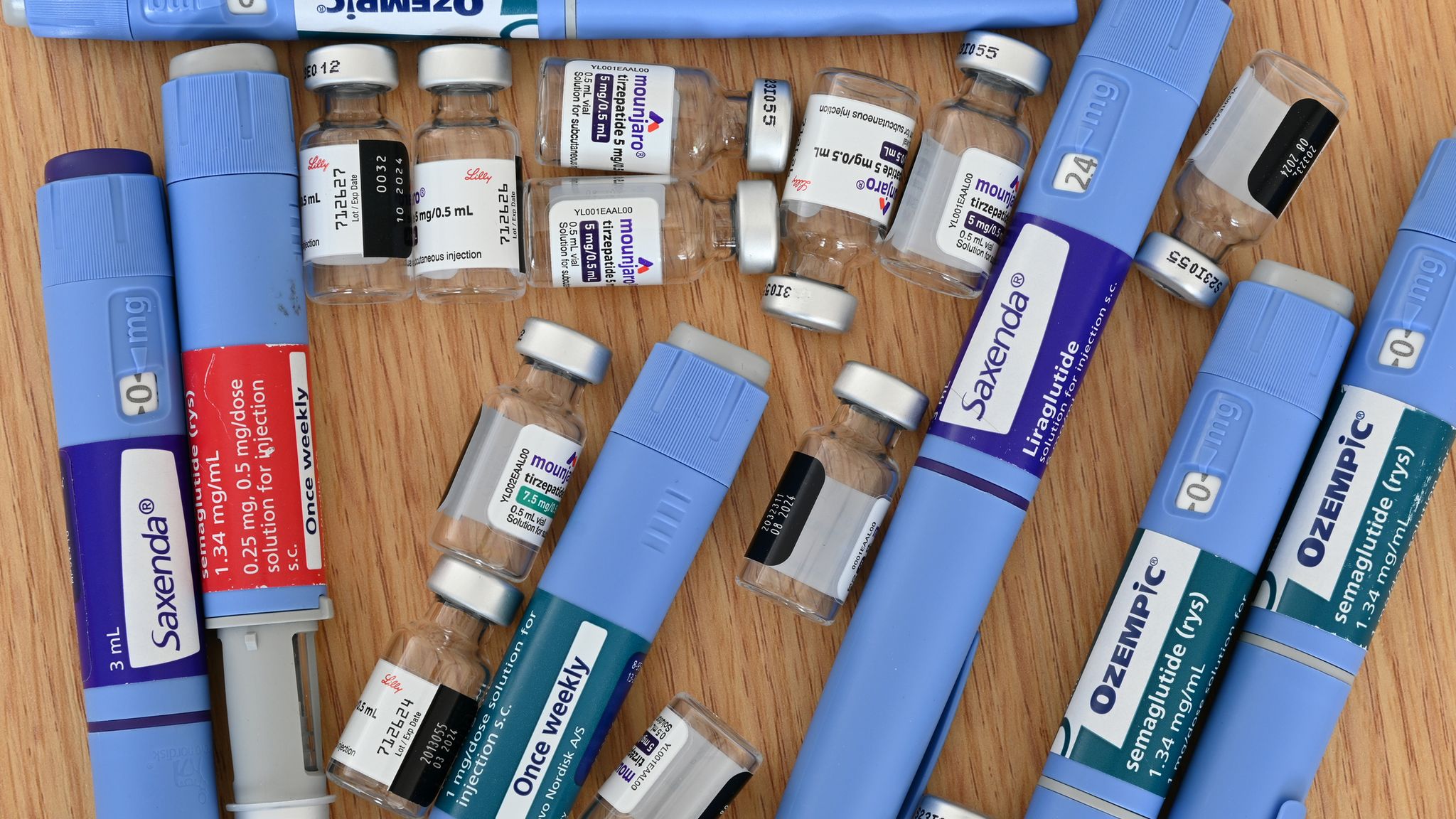
The findings add to the evidence of how difficult it is to sustain the substantial weight loss—and associated health benefits—that many people achieve while taking drugs such as Ozempic, Wegovy and Mounjaro.
Experts warn that health authorities need plans to manage the millions of consumers who will stop taking these popular medicines in the coming years. “What we have shown in this particular analysis is that weight regain after taking the drugs is common and rapid,” said Susan Jebb, a co-author of the research and a nutrition and public health scientist at the University of Oxford.
“Obesity is a chronic, relapsing condition and it is very clear that… ongoing intervention is needed if we want to maintain the benefits of these treatments.”
The researchers behind the paper, published in The BMJ on Wednesday evening, analysed data from more than 9,000 people across 37 studies examining the effects of stopping the drugs. On average, participants took the medicines for 39 weeks and provided follow-up data for 32 weeks. The scientists extrapolated from the study data to predict what would happen over a longer period. They found that, on average, people lost 8.3kg during treatment but were on track to return to their original weight in less than 21 months after stopping. The beneficial effects on participants’ heart health, cholesterol levels and blood pressure were expected to disappear within 18 months. The rates of weight loss and regain were far faster than among people who followed programmes focused on behaviour change…
Naveed Sattar, professor of cardiometabolic medicine at the University of Glasgow, stressed that weight-loss drugs are “essential” for many people with very high body mass index. “This paper still cannot tell us whether short-term use offers lasting benefits for organs, but it is plausible that being lighter for even two or three years through short-term drug use could help slow damage to joints, the heart and the kidneys,” Sattar said.
According to another article published on Thursday in Obesity Reviews, users of weight-loss drugs may be vulnerable to nutritional deficiencies and loss of muscle mass because they do not receive adequate dietary guidance. Researchers at UCL and the University of Cambridge in the UK suggest the evidence indicates that up to 40 per cent of the weight lost with these drugs may be lean body mass, including muscle. The UK National Health Service’s obesity drug treatments include programmes to ensure a balanced diet and increased physical activity. However, the vast majority of users purchase the drugs privately and often do not receive such support. “If nutritional care is not integrated with treatment, there is a risk of replacing one set of health problems with another, through preventable nutritional deficiencies and largely avoidable loss of muscle mass,” said Marie Spreckley, a University of Cambridge scientist who led the research.
As noted, these are powerful drugs that act not only on appetite but on many organs in the body, including the brain.
We recommend that patients take these medicines only for approved indications and under the close supervision of a healthcare professional, who can also provide information on potential side effects.