
After palm trees in Genoa and pines in Rome collapse, cities look to more climate-resilient species
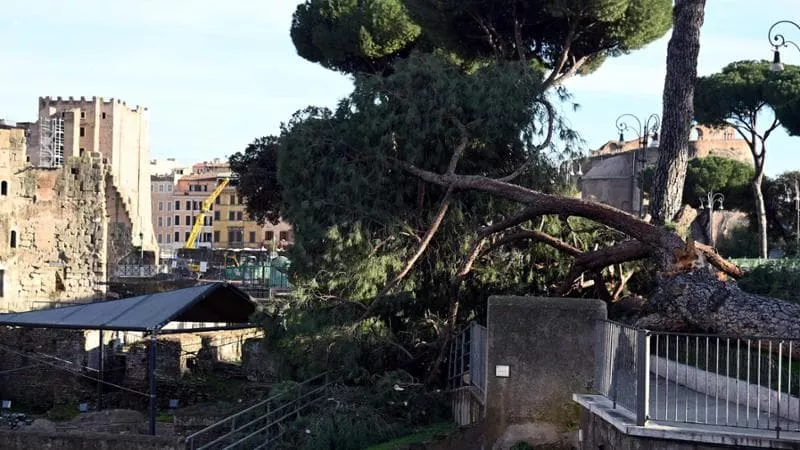
Awareness of the importance of greenery in urban settings, it must be said, has grown almost everywhere in recent years. “Trees are the most effective technological strategy we have to protect our cities from heat,” is the mantra-like definition offered by planner Brian Stone Jr. of the Georgia Institute of Technology. “After decades of viewing greenery as merely decorative or compensatory, it is finally clear what it is needed for: from reducing heat islands to withstanding cloudbursts,” confirms Emily Clancy, Bologna’s deputy mayor—with 86,000 trees recorded in the city’s register—as she underscores the bold “Green Bologna” challenge, a major city reforestation project worth €23 million through 2029. Yet in an era of rising temperatures, we need to go “even further.”
“The moment calls for rethinking how trees and plants are distributed in cities, replacing species that are already no longer suited to global warming with others better able to adapt to the effects of climate change,” explains Francesca Coppola, a landscape architect and councillor in Genoa. Instead of hornbeams and oaks, for example, the new standards recommend planting Parrotia persica, a Middle Eastern species with a high level of drought tolerance…
“We need to reassess the space allocated to trees within cities, think about the soil as well as the plant, and plan in terms of the supply chain,” says Studio Gatti, one of Italy’s best-known firms. For instance, by ensuring that local authorities “begin to put programmes in place to supply nurseries with the species best suited to the new climate”…
Source: Farewell to fragile trees—fewer pines and more mulberries: the greenery of cities is changing.