In-depth article published on 23 January 2026 – Editorial Staff
Excerpt from: Ketchup and Mayonnaise Sachets Banned: The New European Rules
by Paola Arosio
The Packaging Regulation banning certain single-use items will become applicable as of 12 August in all Member States, including Italy, without the need for a national transposition law. Sugar is among the products in sachets that will be prohibited.
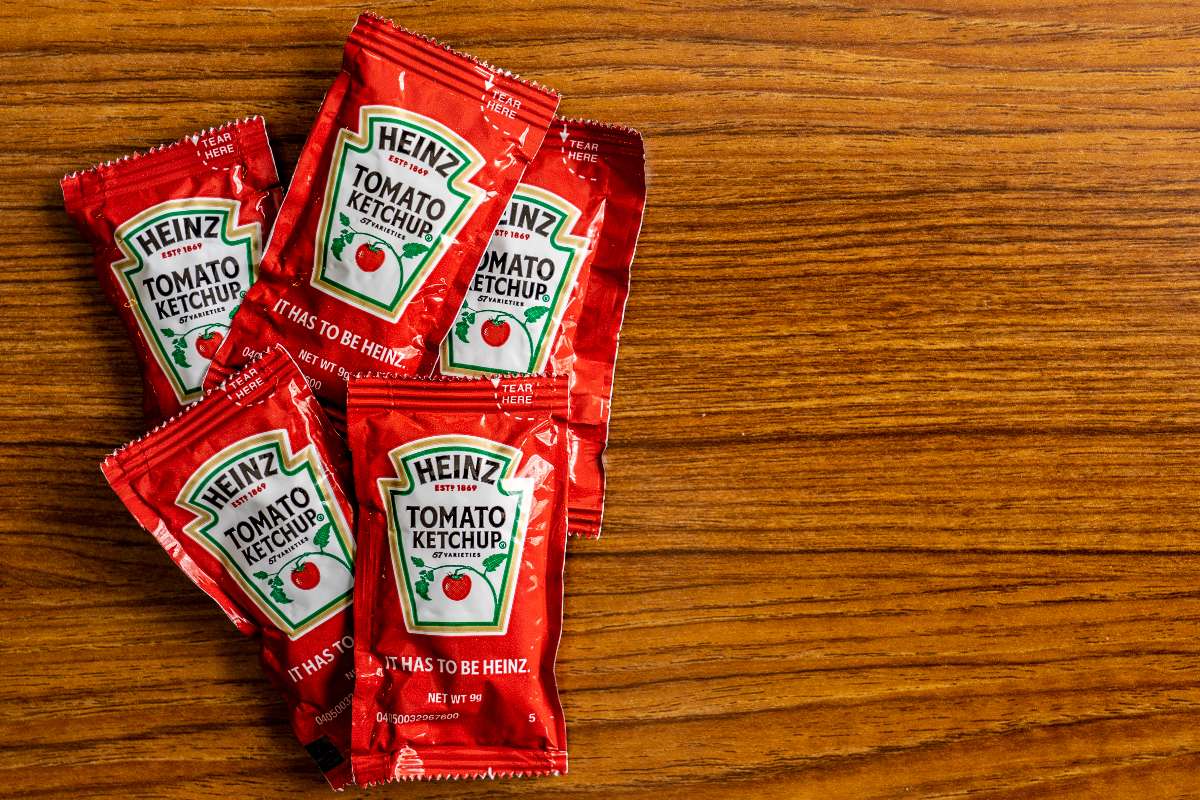
A salad to dress with oil, a portion of French fries to add ketchup to, a chicken breast to flavour with mayonnaise. And so you tear, squeeze, and pour. Single-serve sachets—widely adopted in bars and restaurants in recent years—offer hygiene, convenience and reduced waste. However, their composition, often greaseproof or plastic-coated paper made impermeable by perfluoroalkyl substances (PFAS), makes them difficult to recycle, resulting in a significant environmental impact.
First constraints as early as this year
To address these issues, European Regulation No. 40 of 2025—the so-called Packaging and Packaging Waste Regulation (PPWR)—has been approved. It was published on 22 January last year in the Official Journal and entered into force on 11 February. From 12 August 2026, the rules will become applicable in all Member States, Italy included, without the need for a national transposition law. From that date, the first constraints will already apply, although the most stringent restrictions will be introduced gradually.
The 2030 shift and the targets to be met
The turning point will come on 1 January 2030, when specific single-use packaging will be banned. In particular, Article 25 of Annex V prohibits small single-portion sachets of seasonings, preserves, sauces and coffee creamer intended for hotels, restaurants and catering. Mini bottles of cosmetics and detergents in hotels will also be banned, as will certain ultra-light plastic bags.
The legislation—part of the European Green Deal—sets out precise targets. Per-capita packaging waste must decrease by at least 5% by 2030 and 15% by 2040. Moreover, from 2030, 100% of packaging placed on the market must be recyclable, otherwise sales will be prohibited.
Guidance for take-away
Different rules apply to take-away. In this sector, single-portion packs may remain—for now—as also confirmed by the Italian Federation of Public Establishments (FIPE).
However, from 2027, take-away food operators will have to allow customers to use their own containers from home in place of single-use ones, without charging any surcharge. From 2028, in addition to accepting customers’ containers, businesses in the sector will have to provide a reusable alternative themselves, such as returnable packaging or deposit-based boxes.
Sugar, salt and other products
The regulation explicitly mentions sugar among the sachet products that will be prohibited.
Salt, on the other hand, is not explicitly referenced in the text and will therefore remain formally excluded from the restrictions, even though it poses similar ecological problems. As a result, it could be covered by future extensions of the rules or included through implementing interpretations by the competent authorities.
The outlook is more uncertain for jam, honey and butter: not always classified strictly as condiments, but often consumed on-site in single portions, they could fall within the ban if treated as table-service products…
Additional positive aspects to consider, beyond reducing PFAS:
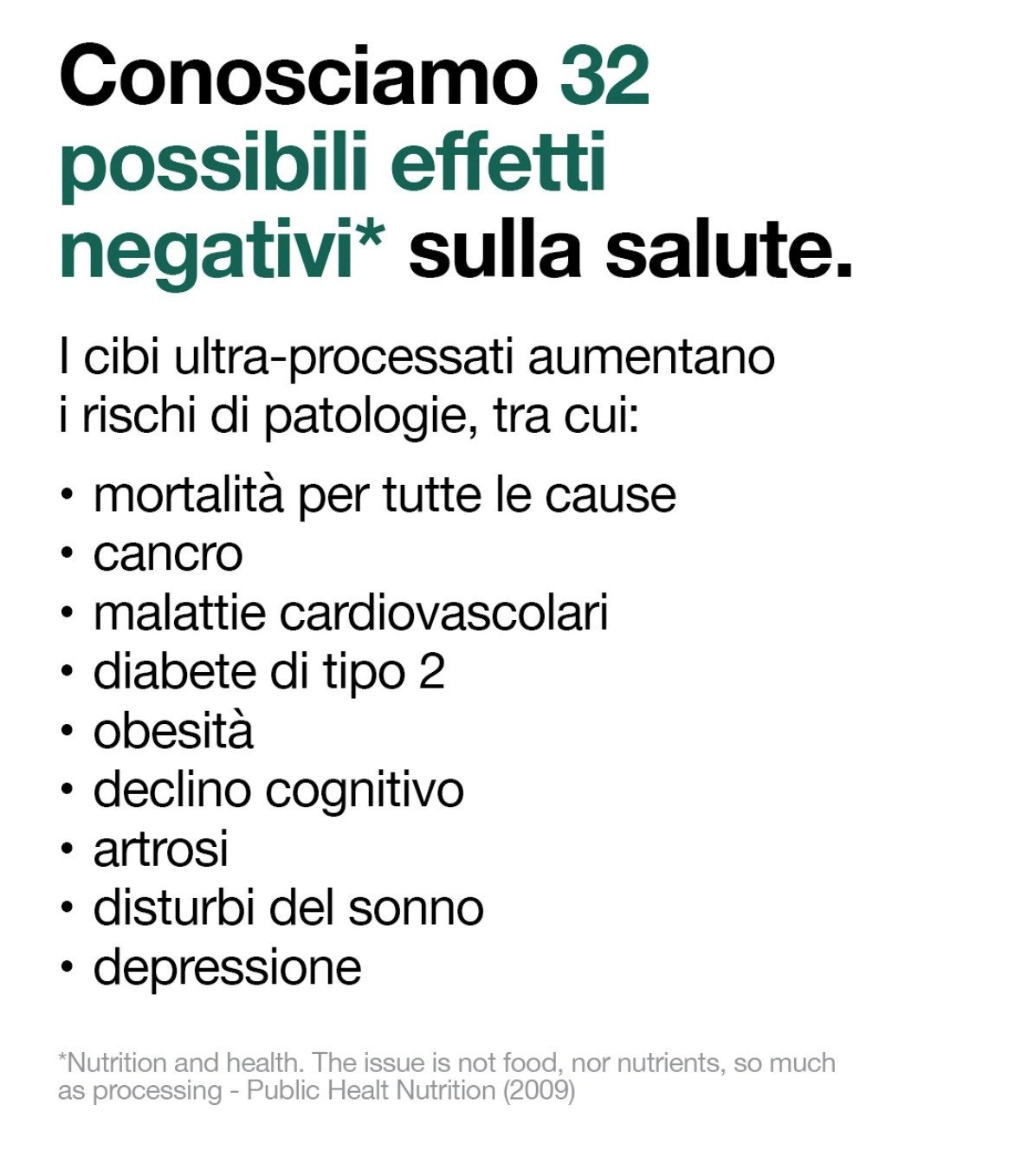
- a potential disincentive to consuming ultra-processed condiments, which—among many negative effects—are linked to obesity and cancer;
- a reduction in obvious waste in hotels and restaurants, such as the classic bar soap that is opened, used twice, and then thrown away.