
Giuseppe Caprotti – Guido Venosta Foundation, the new Commitment
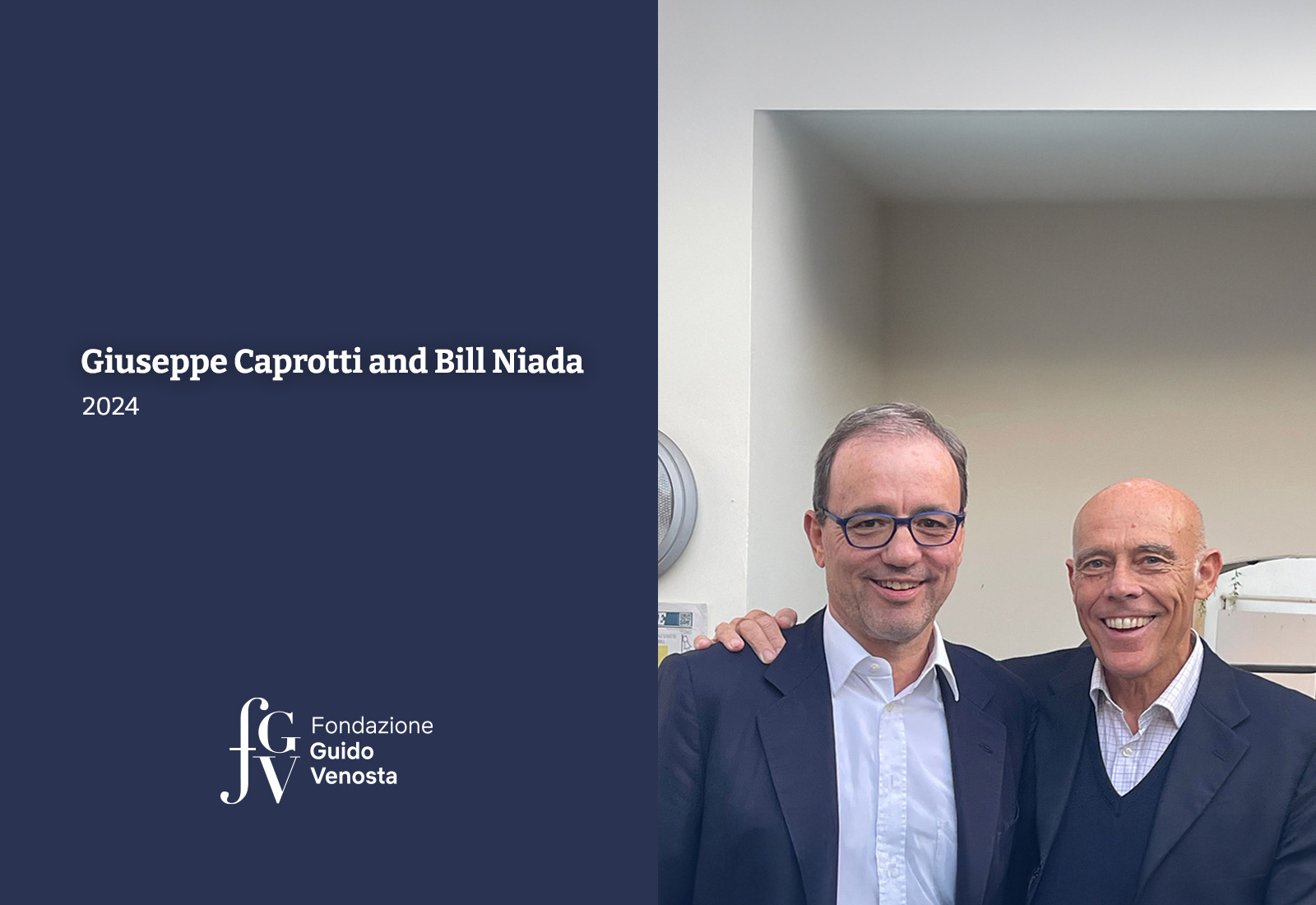
In April 2020, at the height of the Covid-19 pandemic, Giuseppe Caprotti took the helm of the Guido Venosta Foundation. The challenges were immense, set against an unprecedented situation, and the President immediately intervened—first in his personal capacity and then through the Guido Venosta Foundation —by providing targeted, practical contributions. These ranged from essential but modest measures, such as donations for the purchase of protective equipment (hand sanitizer, masks, etc.) or food supplies for the neediest families, to more substantial efforts like the donation aimed at acquiring a Medibios disinfection system for the Associazione Medici Volontari Italiani Onlus, or that for Niguarda Hospital in Milan to purchase a new fibroscope and a defibrillator, tools crucial for treating patients with both Covid and other conditions. Additionally, a scientific research project on swabs and vaccines was financed in collaboration with IEO (Istituto Europeo di Oncologia), and intensive care stations were set up both in Italy and Brazil. Not to be overlooked is the attention given to social transportation for the vulnerable, with the sponsorship of the “Taxi Solidale” for citizens with special needs—whether for medical visits, economic hardships, or accessing vaccines and tests. This initiative was so well received that it was replicated on a larger scale last Christmas 2024.
It was a long and challenging commitment, complicated by the necessary restrictions, yet it also sparked creativity, concrete efforts, and even a great deal of love in the work being done and in the determination to help as many people as possible.
Even after Covid, the commitment to addressing new emergencies did not wane, especially regarding support for young people and the most disadvantaged—those who emerged from the pandemic even more adversely affected than many others. This led to the birth of projects aimed at preventing and supporting socio-health issues related to the new forms of poverty both during and after the Covid-19 emergency. Initiatives such as the Comunità della Salute (CDS) and other projects in the Brianza and Milan areas—including the “Progetto Mataxa,” focused on community psychiatry, the “Happy – Diventare Capacì” project, and a collaboration with the Teatro Franco Parenti to allow the young participants of “Happy” to experience the healing power of theatre through the performance “Chi come noi” (which tells the story of five young people undergoing treatment at a mental health center in Tel Aviv as they confront their issues and the world of imperfect adults, discovering that they are not alone and that together they can make a difference)—were born from this effort.
Over the years, the objectives and areas of action of the Foundation have significantly broadened, both by adhering to the ideals and methods set forth by Guido Venosta—upon which the Foundation’s activities are based—and by financing and supporting projects not only in the field of scientific research and health protection, but also in areas such as social solidarity, cultural promotion, and environmental protection. The extensive experience Giuseppe Caprotti gained during his many years at Esselunga S.p.A.—the family business, where he held managerial positions up to that of Chief Executive Officer—has undoubtedly been fundamental in facing the new challenges of an organization that, although nonprofit, requires a business-like approach to be truly effective, proactive, and impactful, following the example set by Guido Venosta, the President’s grandfather.
This period of renewal also saw changes such as the renaming (from “Fondazione europea Guido Venosta, l’uomo contro il cancro” to the shorter, clearer “Fondazione Guido Venosta,” a change confirmed by the Regione Lombardia on October 28, 2021) and a new logo.
Under President Caprotti’s leadership, the Foundation’s new projects are implemented across four main areas, which often overlap: health protection and scientific research; social solidarity; cultural promotion; and environmental protection. To date, FGV has undertaken over 30 initiatives, and it aspires to do even more.