
Excerpt from Il Salvagente
According to the latest data released by Agenzia Italiana del Farmaco (AIFA), antibiotic resistance is responsible for 12,000 deaths per year in Italy. Drug resistance is increasing in most regions for several major microorganisms, including Escherichia coli.
The origins of these changes, which make bacteria more resilient to antibiotics, are well known: excessive use of antibiotics—particularly in pediatric care—rising consumption in hospital settings, and sustained pressure within livestock farming. In the latter, the widespread use of preventive prophylaxis (the administration of medicines even to healthy animals) has, over the years, “selected” microorganisms capable of overcoming pharmacological defenses—and potentially ending up in the meat we consume.
The most serious resistance patterns identified by Il Salvagente concern the presence of beta-glucuronidase-positive Escherichia coli and staphylococci in certain burgers, capable of surviving modern and widely used antibiotics such as cephalosporins, a class of beta-lactam antibiotics.
In the Terre d’Italia burger sold by Carrefour, staphylococci were detected that proved resistant to five antibiotics, including cephalosporins and macrolides. A similar situation was found in the Chianina burger sold by Lidl: the staphylococci identified were resistant to four types of antibiotics (one cephalosporin and three macrolides), while the Escherichia coli strain detected showed resistance to two drugs in antibiogram testing. Resistance among staphylococci to certain macrolides was also found in meatballs sold by Eurospin and by Gram.
How can consumers protect themselves? By thoroughly cooking meat, including its interior. Although many producers advise cooking burgers thoroughly, this type of meat is often eaten rare. In light of these findings, that practice must be seriously reconsidered.
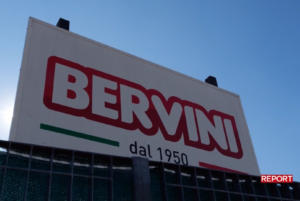
At the same time, close attention must be paid to developments in the meat industry, where greater clarity and transparency toward the public would be welcome. On this point, see also the ongoing Bervini scandal (which involved the AIA group).