“Deny, Denounce, Delay”: the battle over the risks of ultra-processed foods
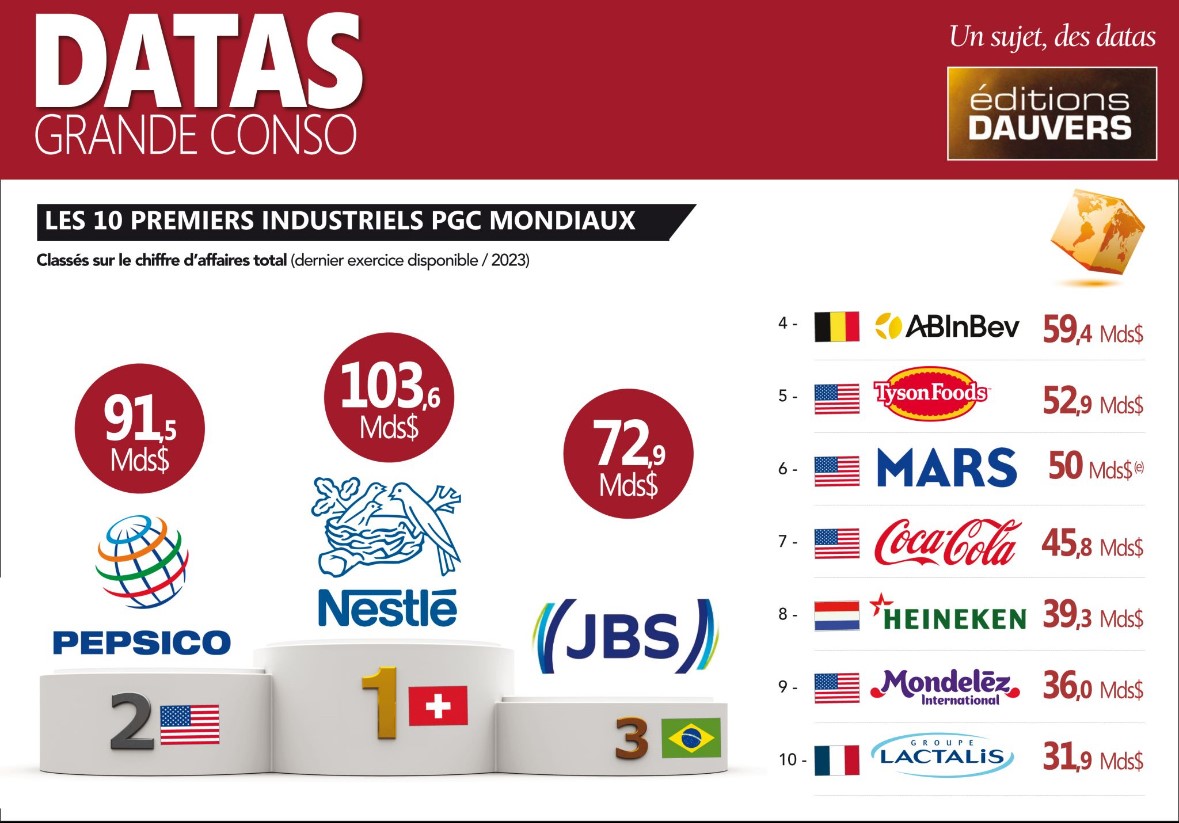
The ten largest food producers in the world – see Olivier Dauvers’ ranking at the end – are almost all manufacturers of ultra-processed foods (UPF).
The exceptions are JBS and Tyson, which produce meat and derivatives (although there are UPF ready meals among their products), AB InBev and Heineken, which produce beer, while Lactalis produces milk and cheeses (in Italy, it owns brands such as Invernizzi, Cademartori, Locatelli, and also Galbani).
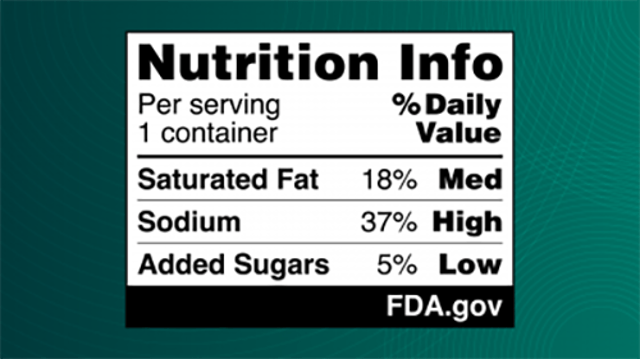
In response to the recently proposed United States Food and Drug Administration (FDA) bill regarding mandatory front-of-package labelling (see the new label below), the Food Industry Association (FMI) – the association of U.S. food producers – stated that “this would require a complete redesign of most packaging labels and would replace other important information such as date markings, leading to significant cost increases with only limited corresponding public health benefits.”
The label would need to be placed on the front of packages, warning of added salt, sugar, and saturated fats.
However, the fight over junk food (UPF) labelling will be difficult and long because, paradoxically, the food industry—dominated by global conglomerates such as Nestlé, PepsiCo, Mars, and Kraft Heinz—loves to present itself as committed to public health. “Our entire strategy is centered on nutrition, health, and well-being,” said Paul Bulcke, president of Nestlé, to investors during the company’s annual meeting in April [2024].
Industry supporters emphasize that innovations in food processing during the 20th century not only made food more accessible and affordable, but also created beneficial products such as sugar-free sweeteners and protein-enriched milk. Food processing has allowed for recipe reformulation to add whole grains and fibre while reducing sugar, salt, and saturated fats, Nestlé stated in a declaration. “We must not lose sight of the fundamental role we play in providing safe, nutritious, high-quality, and affordable products worldwide.”
In a statement, PepsiCo declared its intention “to improve the basic nutritional profile of our products” and to use a more diversified range of ingredients to “meet many dietary needs and preferences.”
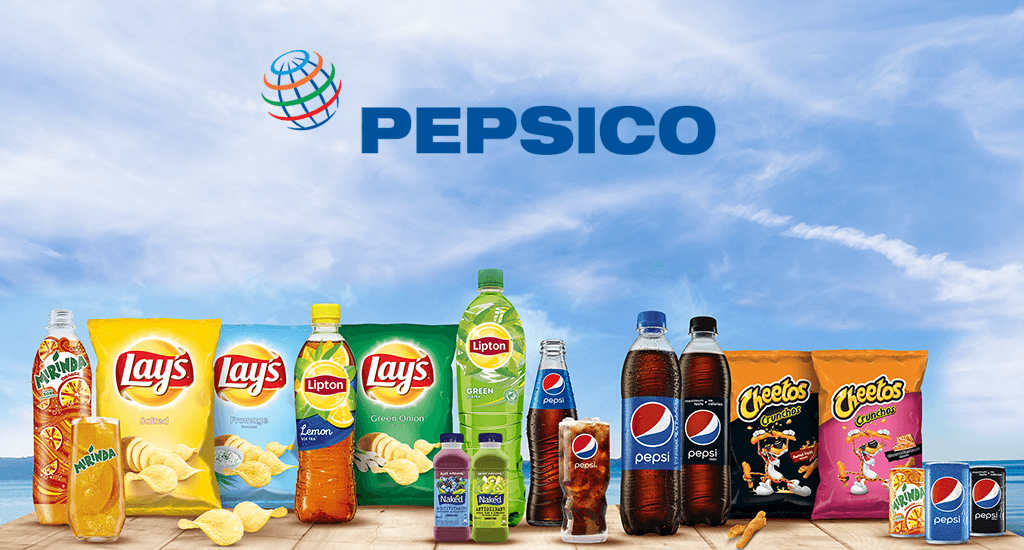
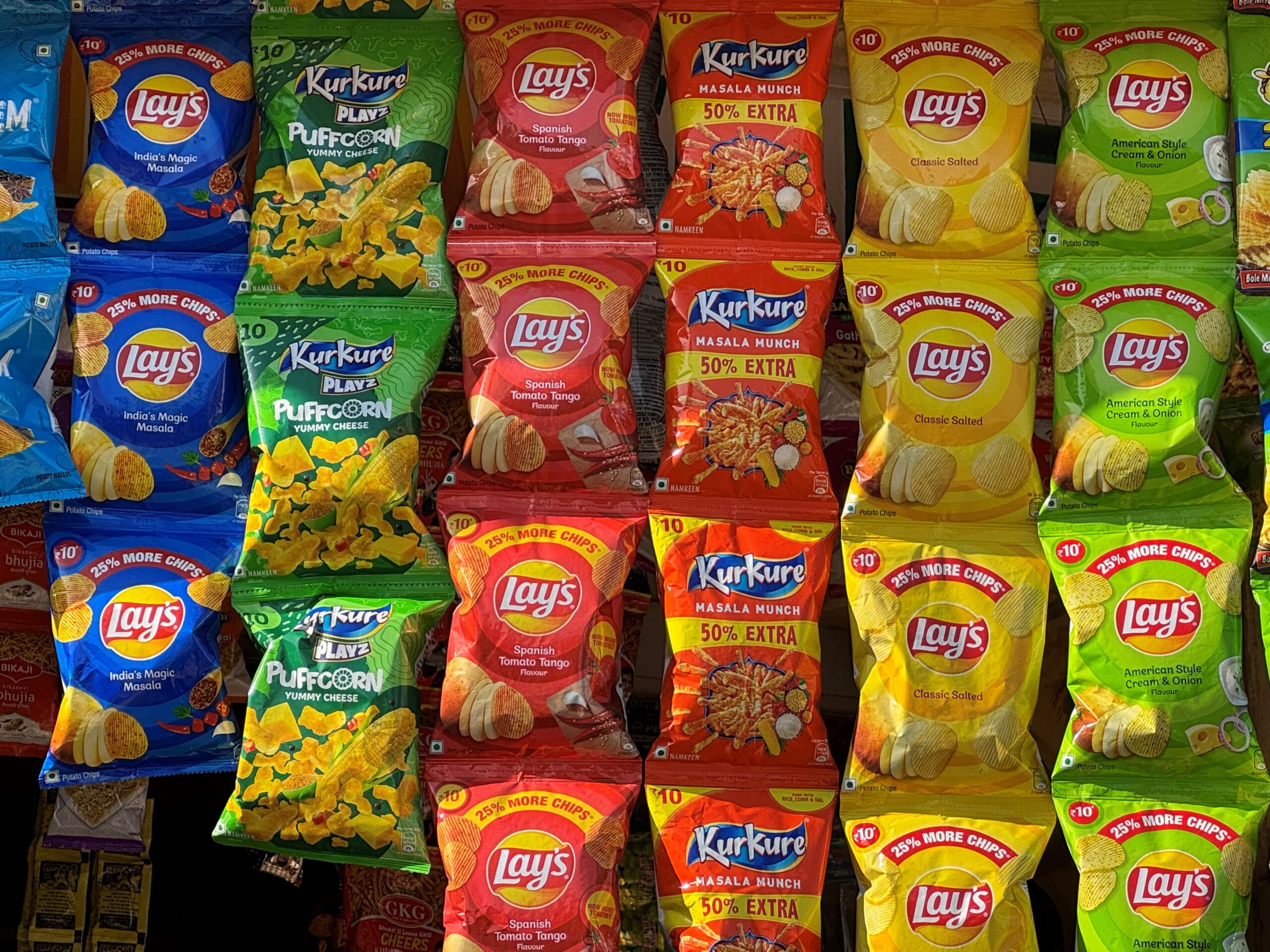
Below are some examples from PepsiCo’s product range.
Kraft Heinz [Mondelez] did not respond to requests for comment. Meanwhile, while researchers have uncovered more links between UPF and adverse health outcomes, companies have largely remained silent on these risks—leaving trade associations representing them to vociferously challenge the validity of the research.
The United Kingdom’s Food & Drink Federation argues that there is no legal definition of processed or ultra-processed food and that consumers struggle to understand the difference. A spokesperson commented: “Our concern with the concept of ultra-processed food is that it is not linked to current government dietary guidelines or food safety regulations, which are backed by rigorous science and evaluated by expert, independent committees.”
David Chavern, president of the U.S. Consumer Brands Association, asserts that food companies were “trying to bring rationality to the debate.” According to Chavern, the research has an “anti-corporate wrapper” that creates a false impression that companies are hiding something from consumers. “The industry prides itself on being incredibly transparent. There is widespread disclosure of ingredients on the packaging,” he adds. For decades, the industry has quietly invested money in leading food science and nutrition departments around the world.
For example, researchers in human nutrition at Reading University in the United Kingdom received £262,832 in funding from the food giant Mars between 2018 and 2023, according to a recent Freedom of Information request. In the same period, PepsiCo provided £61,756 to researchers. “We collaborate with the food industry so that we can conduct more research that has an immediate impact on people’s diets and health,” said Robert Van de Noort, vice-chancellor of Reading University. “We want our work to be seen on supermarket shelves, not just in libraries.”
A spokesperson for Mars stated that the funding was intended to support a wide range of scientific projects, largely to support Reading’s research infrastructure on cocoa, while PepsiCo claimed to have financed research on shelf life and product quality, among other topics.
Anna Gilmore, co-director of the 21st Century Public Health Centre at the University of Bath, asserts that ties with scientists help the industry “create doubt” by funding analyses that exonerate companies or suggest that the case against them is unproven. A 2018 review of studies criticizing Monteiro’s NOVA system found that the vast majority of authors had links to the UPF industry.
Scientists at the U.S. Department of Agriculture’s Agricultural Research Service conducted another study demonstrating that it was possible to create a healthy diet with 91 percent of calories coming from UPF. The authors had contacts with the soybean industry, with the sauce and flavor company McCormick, and with the owner of the Atkins Simply Good Foods diet brand.
Current food guidelines for the U.S. National School Lunch Program do not exclude processed foods. Regulatory bodies also have some of these industry ties. A review of conflicts of interest in U.K. food regulation found that 9 out of 15 members of the government’s Scientific Advisory Committee on Nutrition had received funding from UPF companies.
The SACN concluded last summer that there were “uncertainties about the quality of the available evidence” on UPF, since the studies were primarily observational and confounding factors such as energy intake, body mass index, smoking, and socioeconomic status might not have been taken into account. “Resistance and counterattacks are no surprise,” says Tim Lang, a professor at the Centre for Food Policy at City University, who co-directed the review. He asserts that an “epidemiological transition” driven by the food industry has been underway for decades, during which countries are moving away from simple, whole-food diets as they become wealthier. “It’s what the food industry celebrated and flogged. And now they’re hoisted by their own petard. All the things they hailed as successes are now seen as flaws,” he adds.
A similar story unfolded in the United States, where Kevin Hall’s study prompted the US government to examine the effects of UPF on public health for a potential inclusion in the next cycle of national dietary guidelines. A lobbyist from a major Washington-based food trade group told the FT that the group’s main objective is to keep UPF out of these guidelines.
In the United States, current guidelines are based on individual nutrients, which means companies can formulate foods to meet the requirements. For example, the food served in the subsidized National School Lunch Program includes processed foods such as Kraft Heinz’s Lunchables and PepsiCo’s Walking Tacos. “I imagine they won’t say there is solid evidence,” says Aviva Musicus, Scientific Director at the US Center for Science in the Public Interest, a nonprofit health advocacy group. Since the studies used the Nova classification and are based on prospective cohort studies, they do not show definitive causality. Moreover, according to another nonprofit organization, US Right To Know, nine out of 20 members of the Dietary Guidelines Advisory Committee, which provides advice on the guidelines, had conflicts of interest with food, pharmaceutical, or weight-loss companies, or with industry groups.
According to public statements, in 2022 Fatima Cody Stanford, a panel member, received tens of thousands of dollars in consultancy fees from obesity drug manufacturers including Novo Nordisk and Eli Lilly. Stanford did not respond to requests for comment, but the U.S. Office of Disease Prevention and Health Promotion noted that all candidates for the committee are carefully screened for potential conflicts of interest.
In 2023, PepsiCo spent millions of dollars lobbying the U.S. government. According to a revelation last July, the producer of Doritos and Tostitos spent $1.27 million on… the next dietary guidelines, sweeteners, and food labelling, among other issues.